Wanaka motorhome guide for first-time NZ trips
South Island · destination region
- slow-morning
- busy-summer
- book-ahead
- lake-stage
- bring-warm-layers
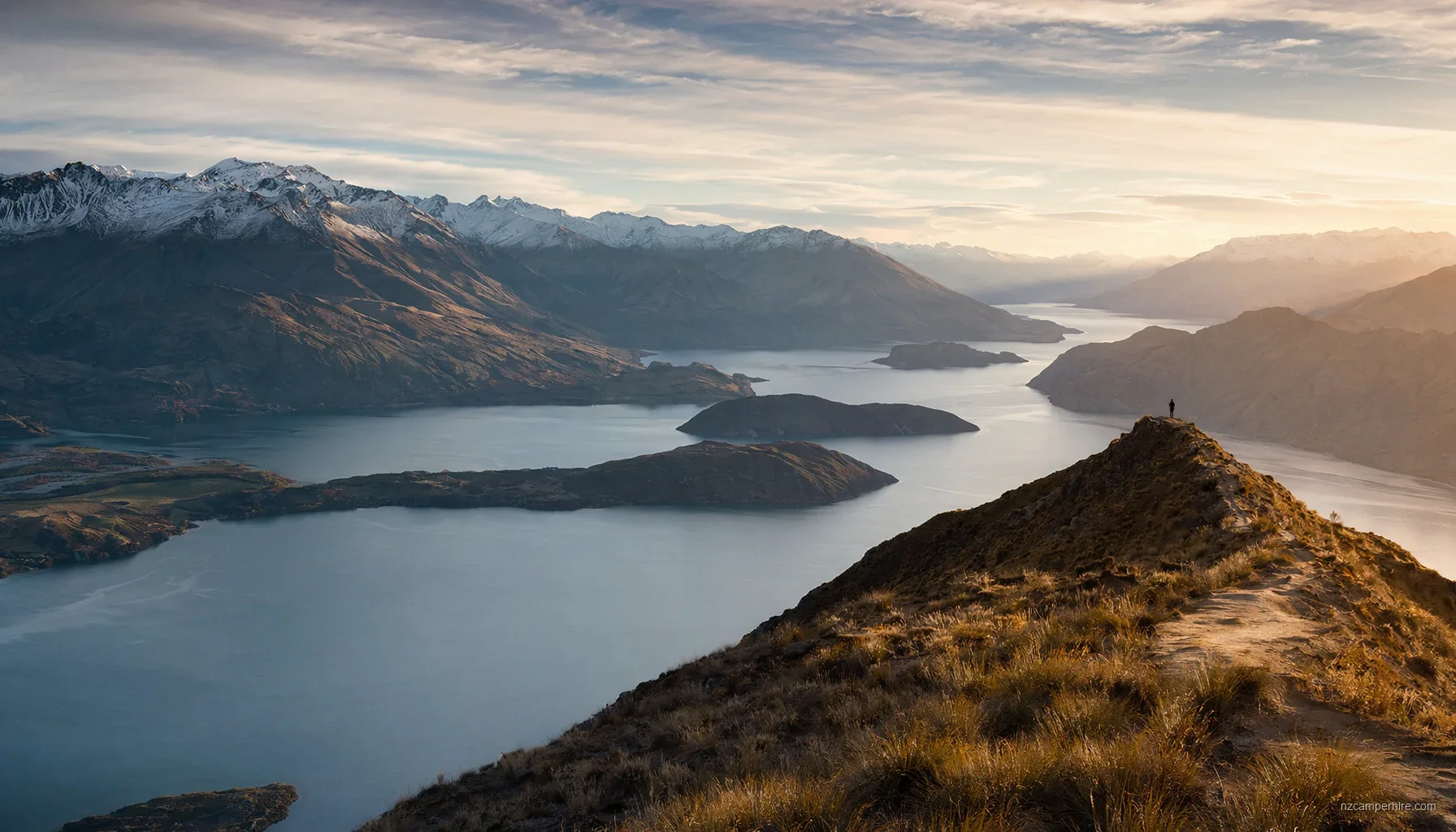
On a still Wanaka morning, the lake can look like someone has turned the volume down: gulls over the shore, a kettle clicking in a parked van, mountains slowly taking colour. Wanaka is the calmer lake base many first-time travellers hope Queenstown will be. It has big mountain access, a walkable town centre, useful supermarkets, and enough quiet corners to make a two-night stop feel worthwhile.
It sits on SH6 between the West Coast, Queenstown and the Mackenzie Country. That makes it a natural pause on the Christchurch to Queenstown route, the South Island in 14 days route, or a slower loop through Queenstown, Mount Cook and the West Coast.
See route guides that pass through Wanaka — and reply with your dates if you'd like a planner to suggest the right number of nights here.
What Wanaka is for, in a motorhome
Wanaka works best as a reset point. You get lakefront time, serious day walks, laundry, groceries, fuel, and a town that is easier to handle than central Queenstown in a campervan. It is not tiny anymore, but it still has a slower road-trip rhythm.
The ideal vehicle here is a 2-berth or compact 4-berth if you want easy parking at lakefront pull-ins, Diamond Lake, and town supermarkets. A 6-berth is possible, but you will think harder about where to park, especially in January, at school holidays, and on tight access roads toward Mount Aspiring National Park. Use the vehicle-size guide before choosing a larger van for a South Island itinerary.
Wanaka also gives you route flexibility. From here you can go west over Haast Pass, south to Queenstown, or north-east over Lindis Pass toward Lake Tekapo and Mount Cook.
Driving in and out: what SH6 is actually like
Queenstown to Wanaka via the Crown Range is only about 70 km, but allow 1 hour 15 minutes to 1 hour 30 minutes in a motorhome. The Crown Range Road reaches 1,121 m and has tight bends, steep grades and winter chain requirements when conditions turn. It is sealed and legal, but it is not a relaxed first hour in a big camper. The Crown Range saves distance and gives big views, but SH6 via Cromwell is the kinder first-drive choice if the van still feels wide.
The easier Queenstown option is SH6 via Cromwell, about 115 km and 1 hour 40 minutes to 2 hours. It is longer, wider, and better if you have just collected the vehicle or feel unsure about left-side driving.
From Mount Cook or Lake Tekapo, Wanaka is usually reached via SH8 and Lindis Pass, which tops out at 965 m. Allow 3 to 3.5 hours from Mount Cook Village and 4 to 4.5 hours from Lake Tekapo with stops. From the West Coast, Fox Glacier to Wanaka is about 260 km and 3.5 to 4.5 hours via Haast Pass, 564 m. Fuel and food options are thin between Haast, Makarora and Wanaka, so do not run the tank low.
Where to stay overnight
Book ahead for December to February, with January the peak month. Wanaka has good overnight choices, but lakefront demand is strong and freedom camping rules are actively enforced.
- Wanaka Lakeview Holiday Park: powered and unpowered sites, mixed family and adult traveller vibe, about 1 km from the town centre, useful because you can walk to the lakefront and leave the van parked.
- Glendhu Bay Lakeside Holiday Park: powered and unpowered sites, family-friendly and outdoorsy, about 14 km or 20 minutes west of town, good for direct lake access and an early start toward Treble Cone or Mount Aspiring roads.
- DOC Boundary Creek Campsite: no power, basic DOC camping, about 55 km or 50 to 60 minutes north of Wanaka on SH6, best for a quieter Lake Wanaka shoreline stop rather than town convenience.
- Kidds Bush Reserve Campsite: no power, simple DOC-style setting near Lake Hawea, about 40 km or 40 minutes from Wanaka, a good choice if you want trees, lake access and a lower-key night.
- Albert Town Campground: no power, practical and budget-conscious, about 7 km or 10 minutes from Wanaka, handy for the Clutha River trails and an easy morning run into town.
The best Wanaka camp mornings are the quiet ones, when the lake is flat, the kettle is loud, and nobody has quite found their socks yet.
If you plan to use any free or low-cost council area, read the signs on the day. Your van needs current certified self-containment where required, and some places are restricted by season, vehicle type or maximum stay.
What to see, and what to skip
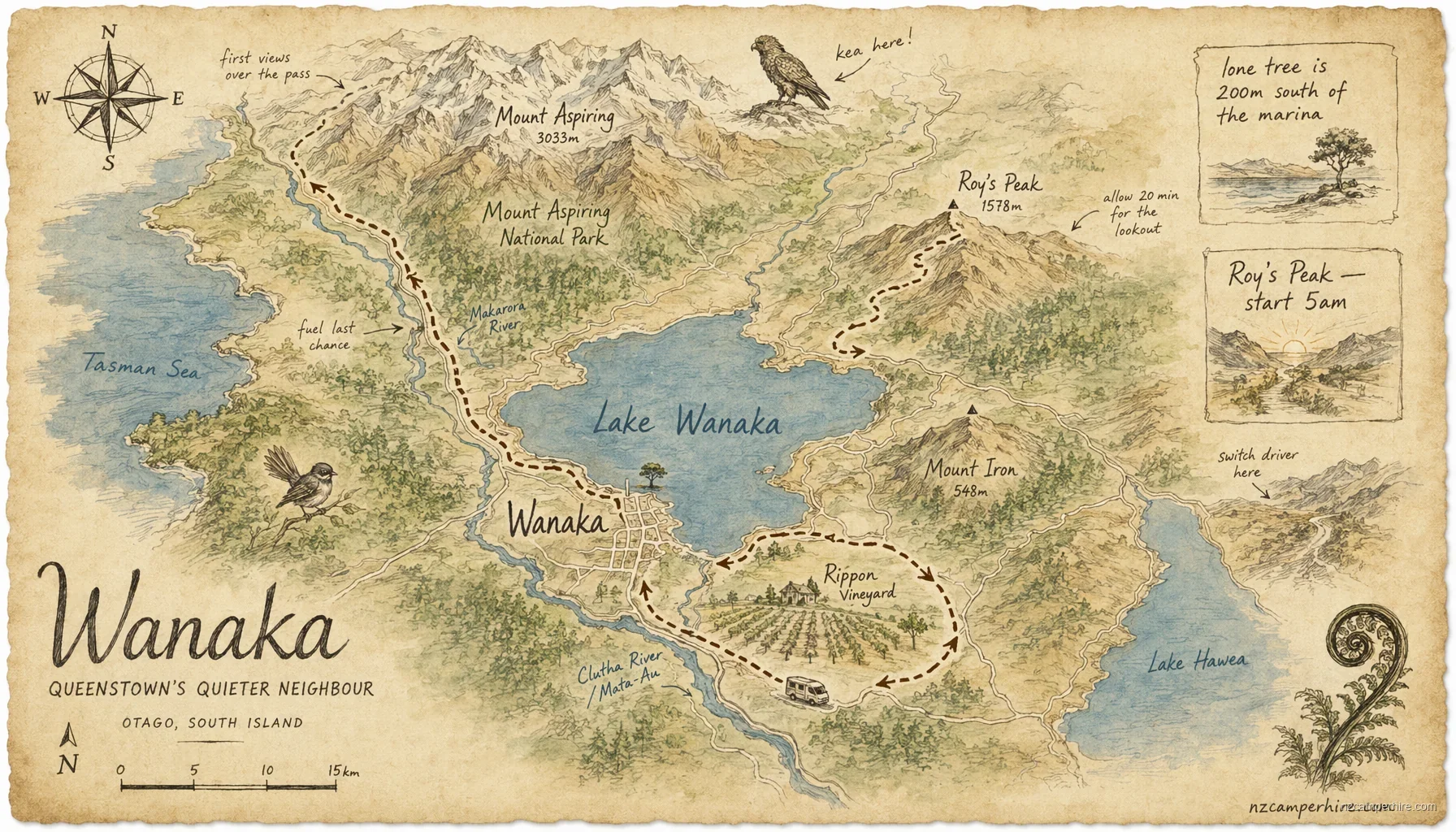
The lakefront is the easy win. Walk or cycle the path from town toward Waterfall Creek and the famous willow in the lake, but do not climb the tree or wade out to it. It has had enough pressure from visitors already.
Roys Peak is the big fitness walk: 16 km return, roughly 1,200 m of climbing, and very exposed in heat, wind or snow. It usually closes for lambing from 1 October to 10 November, so check the current DOC notice. For a shorter option, Diamond Lake and Rocky Mountain give strong views with less commitment and easier parking.
Rob Roy Glacier Track is in Mount Aspiring National Park, reached from Raspberry Creek. It is about 54 km from Wanaka, but allow 1 hour 10 minutes each way because the later section is gravel with fords. After heavy rain, or in a large 6-berth, it can be a poor idea. Check your rental agreement before driving unsealed roads.
Skip the plan that gives Wanaka one rushed lunch stop between Queenstown and Fox Glacier. The map makes it look efficient. The road does not feel that way.
Best time of year for Wanaka
March is often the nicest motorhome month in Wanaka: warm days, cooler nights, less pressure on campsites and more settled weather than early spring. April brings autumn colour around the lake and Cardrona Valley, though daylight shortens quickly.
December to February is warm and lively. January is the pressure point for powered sites, lakefront parking and popular walks. If travelling then, plan your overnight stops earlier than you would in Europe or North America, especially if Wanaka sits inside a South Island in 10 days route with fixed dates.
June to August is winter driving. Ski traffic builds toward Cardrona and Treble Cone, and chains may be required on alpine roads. SH6 and the Crown Range can be icy in the morning. September and November are changeable, with snow still possible high up, but lower visitor numbers suit flexible travellers.
Practical notes for a first campervan visit
New Zealand drives on the left. Foreign licences in English are generally valid for up to 12 months; if your licence is not in English, carry an International Driving Permit or approved translation. Minimum hire age varies by operator and vehicle class, often somewhere from 18 to 25.
For supplies, Wanaka has New World close to town and larger retail services at Three Parks. Fuel is available in Wanaka and Albert Town, but fill before heading to Haast Pass, Makarora or remote DOC campsites.
Dump stations and potable water points change with maintenance, so check the local council map or your campground information before arrival. A commonly used public dump point is around Ballantyne Road near the transfer station area. Holiday parks will usually have dump facilities for guests.
Mobile coverage is fine in town, patchier toward Matukituki Valley, Makarora and some lakeside camps. The freedom camping guide is worth reading before you rely on an app pin; local signs and certified self-containment rules are what matter.
How long to stay
One night is the honest minimum if Wanaka is just a link between Queenstown and the West Coast. Arrive by mid-afternoon, walk the lakefront, shop, sleep, and leave early. It works, but it does not show you much.
Two nights is the better first-trip answer. That gives one full day for Roys Peak, Diamond Lake, a lake ride, or a Mount Aspiring day trip without driving again at sunset. Three nights suits walkers, families, and anyone linking Wanaka with Mount Cook, Queenstown and the West Coast on a less compressed route.
If your whole South Island trip is only 7 days, keep Wanaka tight. If you have 14 days, give it room. It is one of the places where a slower plan usually feels better than a longer checklist.
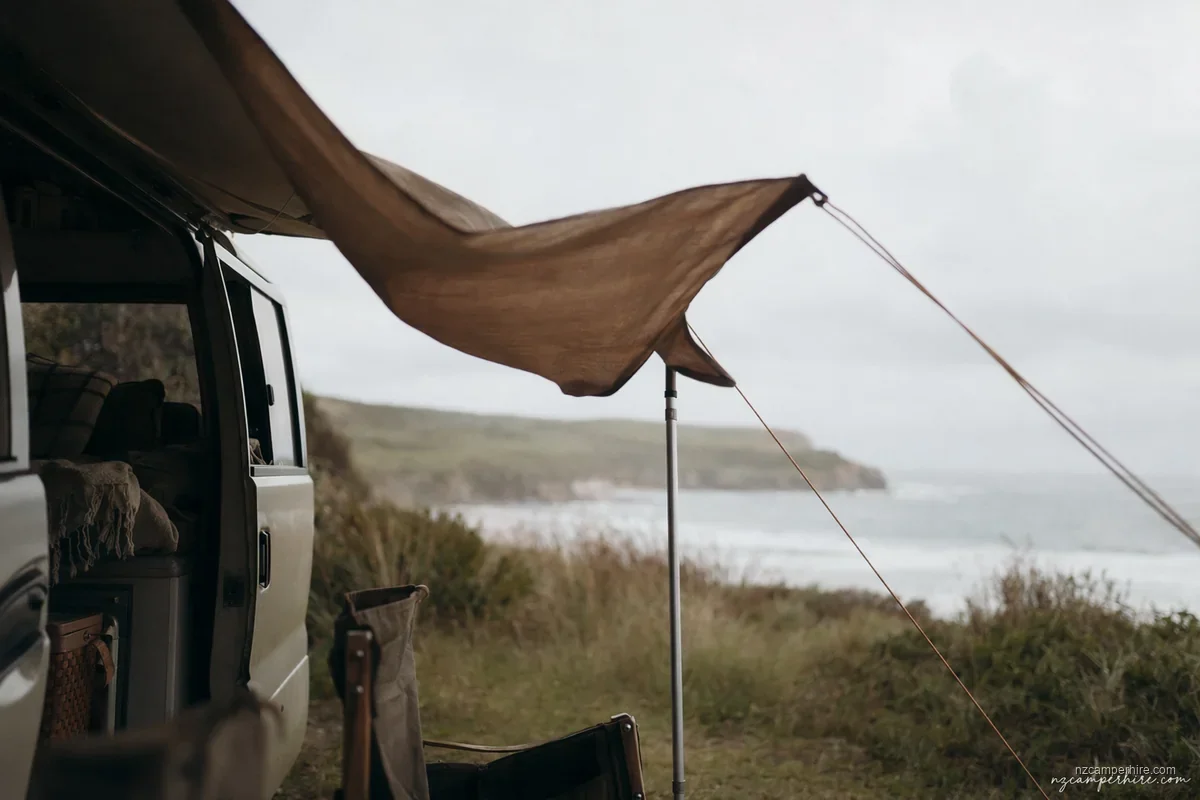
Wanaka rewards travellers who linger. Build in one slow morning — coffee on the camp table, the kettle whistling, the day not yet decided.
Wānaka — known internationally as Wanaka
Lake Wānaka and Lake Hāwea sit within Ngāi Tahu's rohe and were a seasonal kāinga (settlement) for groups travelling between the east coast and the Te Tai Poutini pounamu sources. The Matukituki Valley west of Wānaka was a pounamu travel route over Haast Pass (Tioripatea).
Mount Aspiring is Tititea — 'glistening peak' — a reference to the snow and quartz glinting on its faces.
- Mount Aspiring National Park visitor centre — DOC visitor centre with Ngāi Tahu cultural context and the story of the pounamu trail over Haast Pass. Public, free.
- Bilingual track signage in Mount Aspiring National Park — Major track entrances now carry te reo names alongside English.
Aoraki Routes acknowledges the mana whenua of Ngāi Tahu. We recommend visiting cultural sites with respect and following the tikanga (protocol) of the host iwi.
Related reading
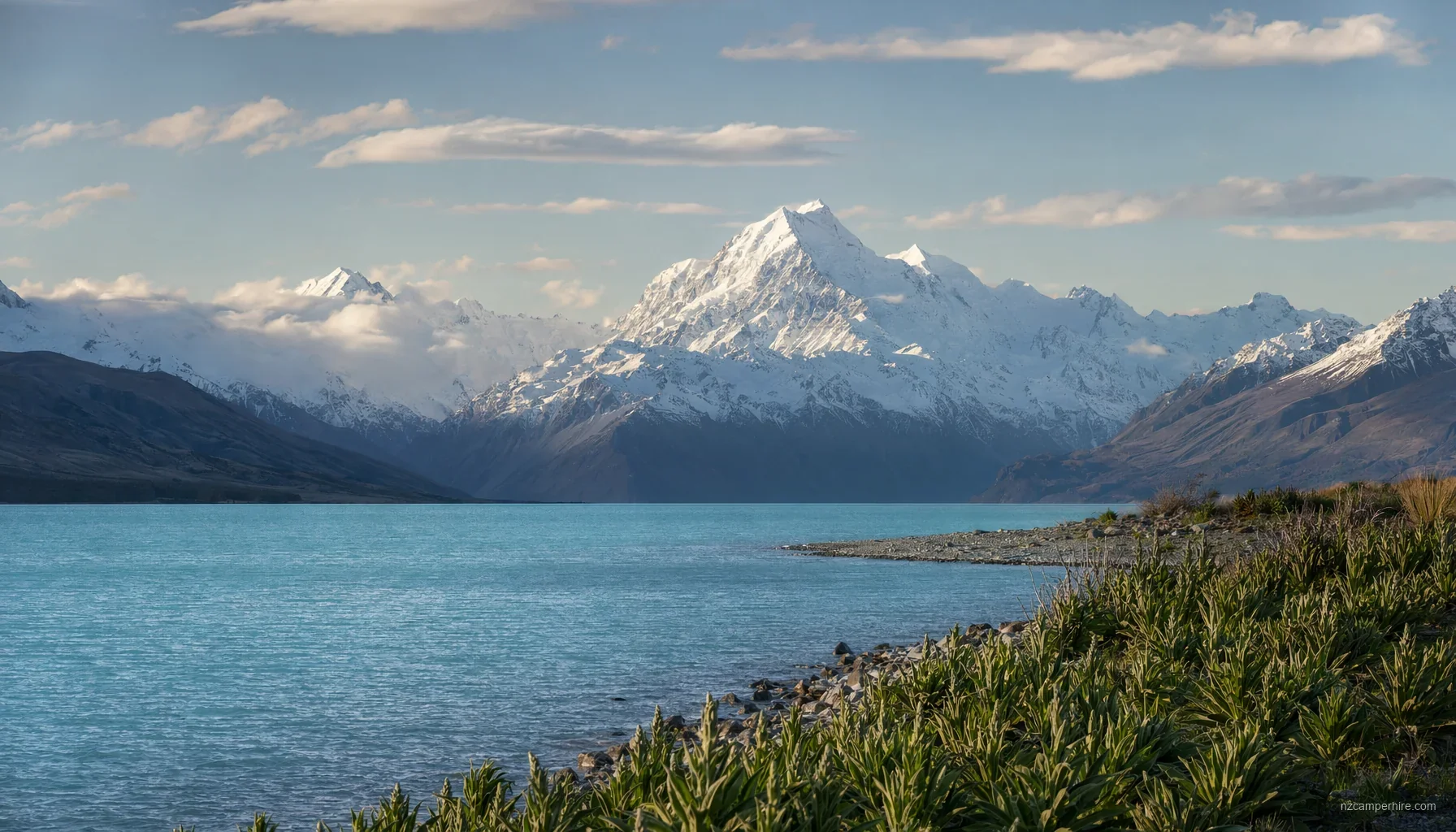 ROUTE
ROUTE South Island in 14 days
Classic clockwise South Island loop — Kaikoura, Nelson, West Coast glaciers, Wanaka, Queenstown, Milford Sound, Tekapo, back to Christchurch.
See the route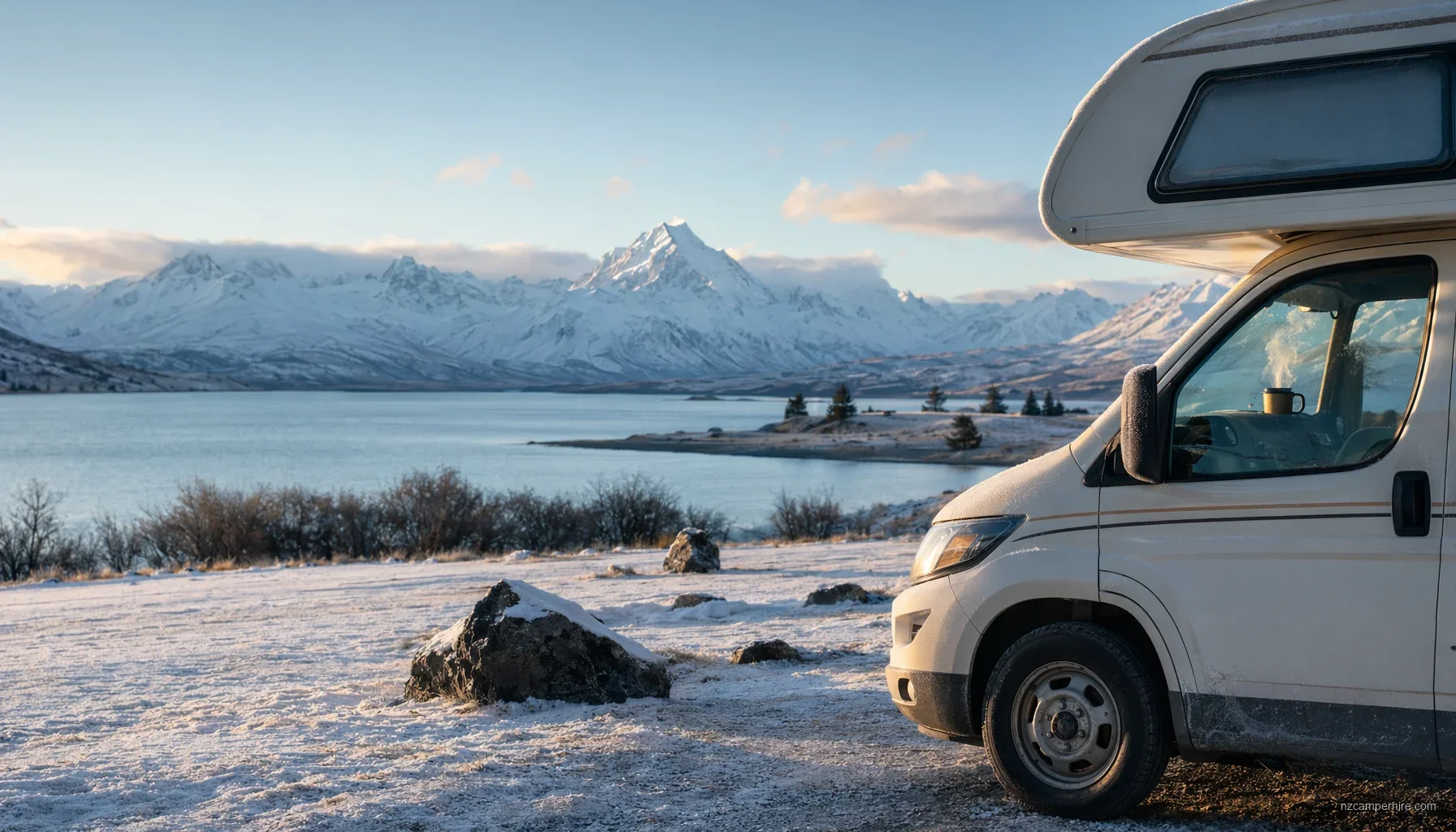 WHEN TO GO
 Winter (June-August)
Snow chains, lower rates, heater realities — winter campervan travel in NZ.
Read the timing notes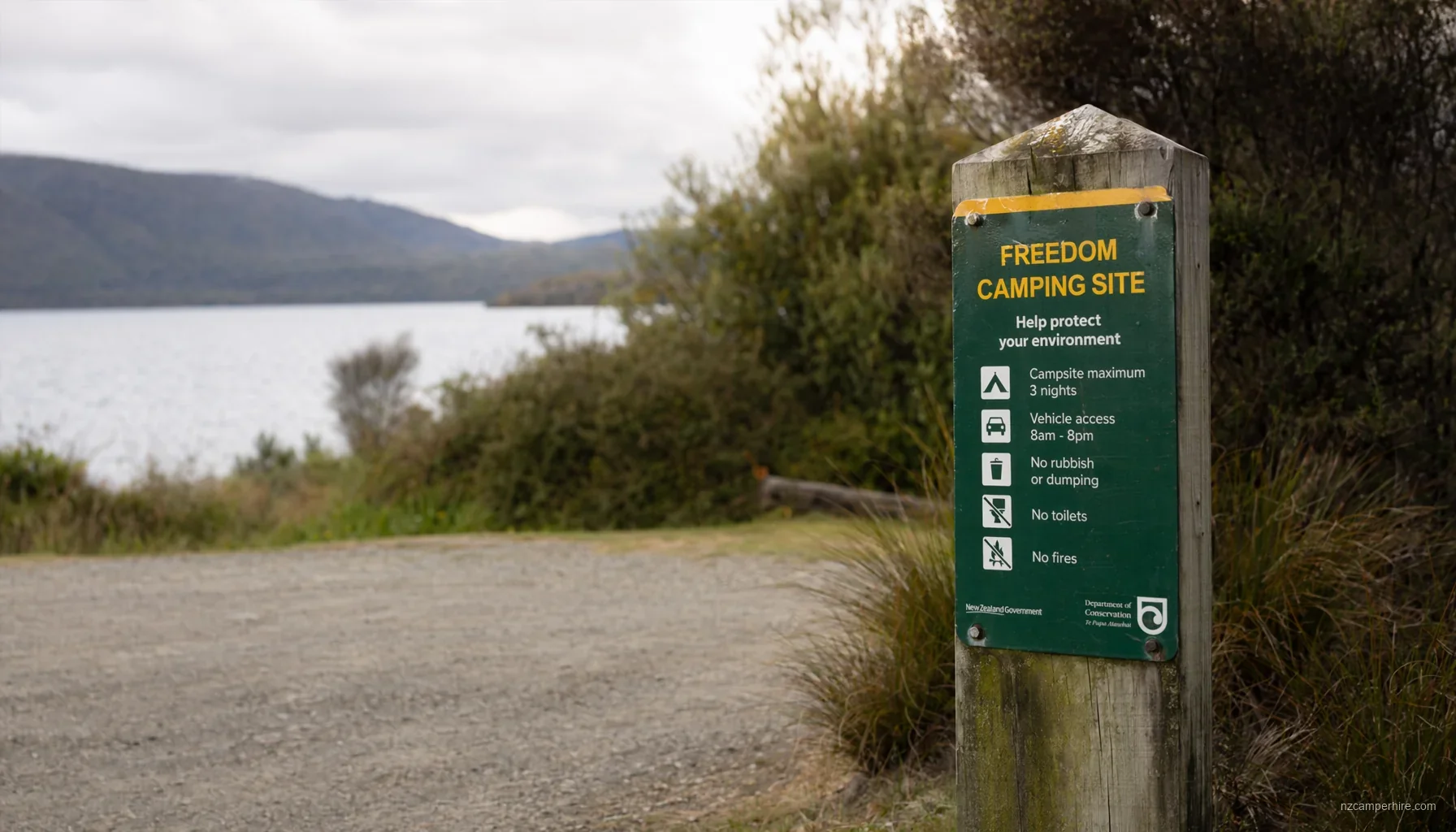 PRACTICAL GUIDE
 Freedom camping in NZ
Where you can legally freedom-camp in a self-contained vehicle, and where you'll get fined.
Read the guideWanaka FAQ
How many nights should we spend in Wanaka by motorhome?
When is the best month to visit Wanaka?
Where are the main supermarkets in Wanaka?
Where can we dump grey water and toilet waste in Wanaka?
Have a planner shape a trip around this region
Tell us roughly when you're coming and how long you have. We'll come back with a route that gives this region the time it deserves.