Wellington by Motorhome: Ferry, City and Coast
North Island · destination region
- ferry-stage
- wet-weather-plan
- busy-summer
- bring-warm-layers
- book-ahead
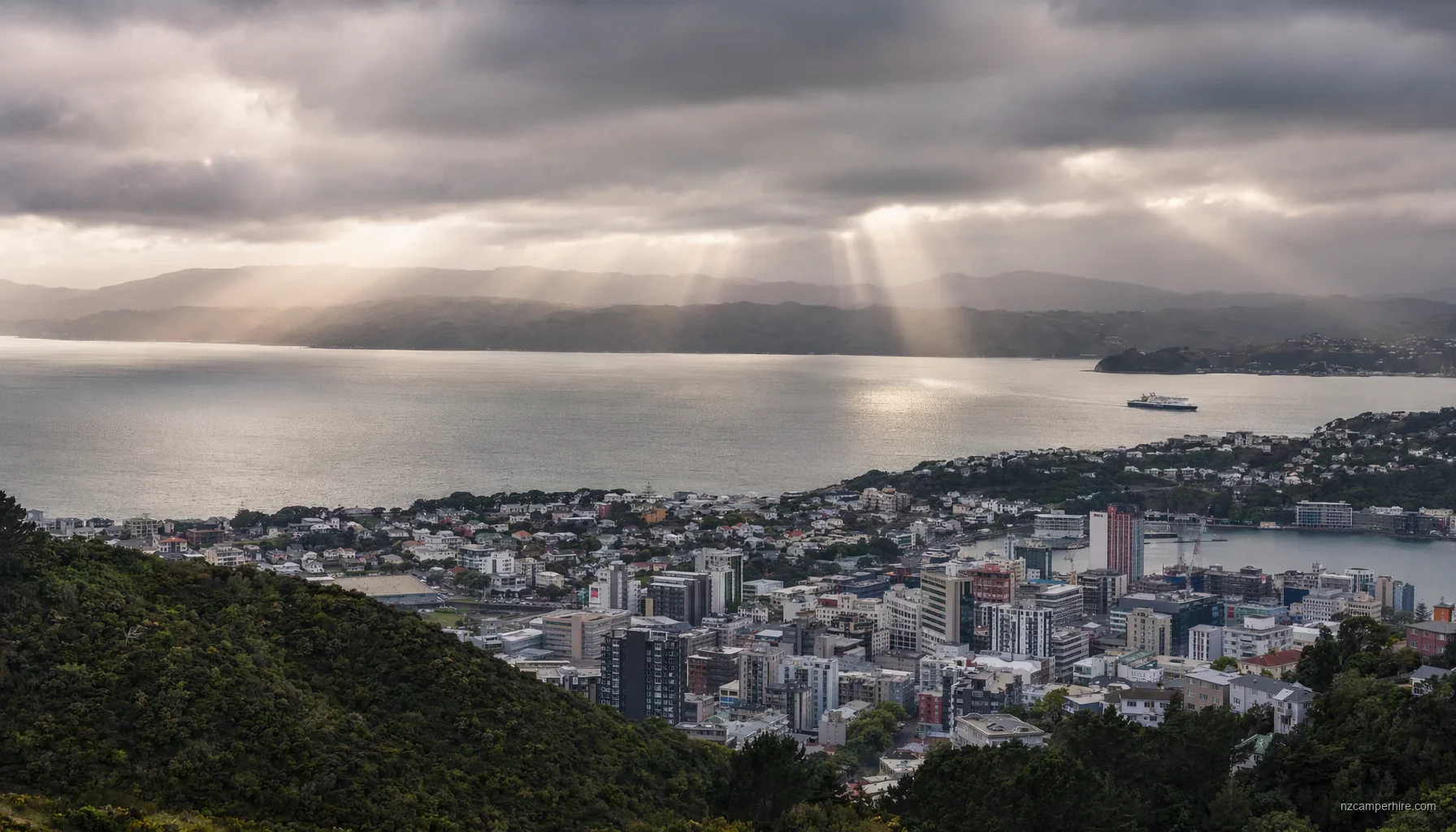
On a still morning, the harbour can look polished while the hills hold the last of the cloud; an hour later the wind may be testing every van door in town. Wellington is not just the place you wait for the ferry. It is the capital, a harbour city with steep suburbs, serious wind, good museums, short coastal drives and a very practical job in a motorhome itinerary.
Most first-time trips use Wellington as the hinge between the North Island and South Island. The North to South in 21 days and North Island in 10 days routes both need sensible timing here, especially in January when ferry space tightens.
See route guides that pass through Wellington — and reply with your dates if you'd like a planner to suggest the right number of nights here.
What Wellington is for in a motorhome
Wellington works best as a reset point. You can stock the van, empty tanks, visit Te Papa, walk the waterfront and get your Cook Strait ferry timing under control. It is less relaxed as a place to wander aimlessly in a large camper. Streets are narrow, hills are steep, and central parking is not friendly to tall vehicles.
If you are choosing a vehicle for a route that passes through Wellington, a 2-berth or compact 4-berth is the easiest fit. A 6-berth can still work, but you should stay in Lower Hutt, Porirua, Newlands or the Kāpiti Coast and use public transport into the city. That is usually easier than trying to park near Cuba Street or the waterfront.
For a North to South in 21 days plan, Wellington is the breathing space before Picton, Nelson, Kaikoura and the South Island roads. For a North Island in 10 days route, it is the southern finish after Rotorua, Tongariro or Hawke's Bay.
Driving in and out: hills, wind and the ferry
Most motorhome travellers arrive on SH1 from the Kāpiti Coast, SH2 from Wairarapa and Hutt Valley, or by ferry from Picton. None of these are long by New Zealand standards, but they need attention.
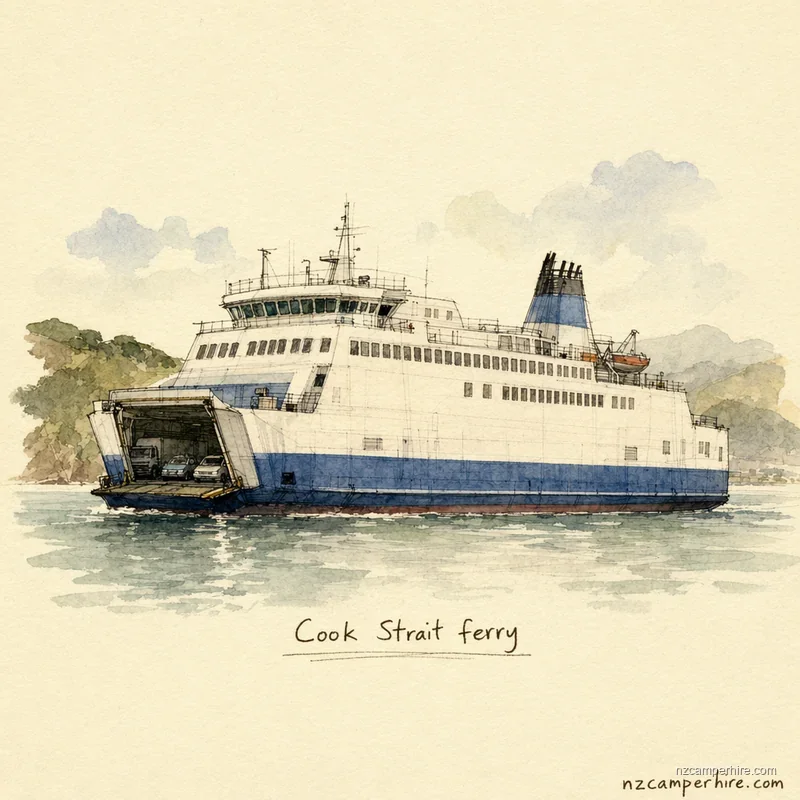
- Picton to Wellington by ferry: Interislander and Bluebridge both run the Cook Strait crossing. The sailing is about 3 hours 20 minutes, but treat it as 3.5 hours with loading and longer once check-in, queues and city traffic are included.
- Wellington to Picton: book the vehicle ferry early. For January and early February, 4 months out is sensible. Shoulder months are often fine at 6 to 8 weeks, but school holidays still tighten.
- SH1 north: Wellington to Paraparaumu is about 55 km and normally 1 hour in a motorhome, more in commuter traffic.
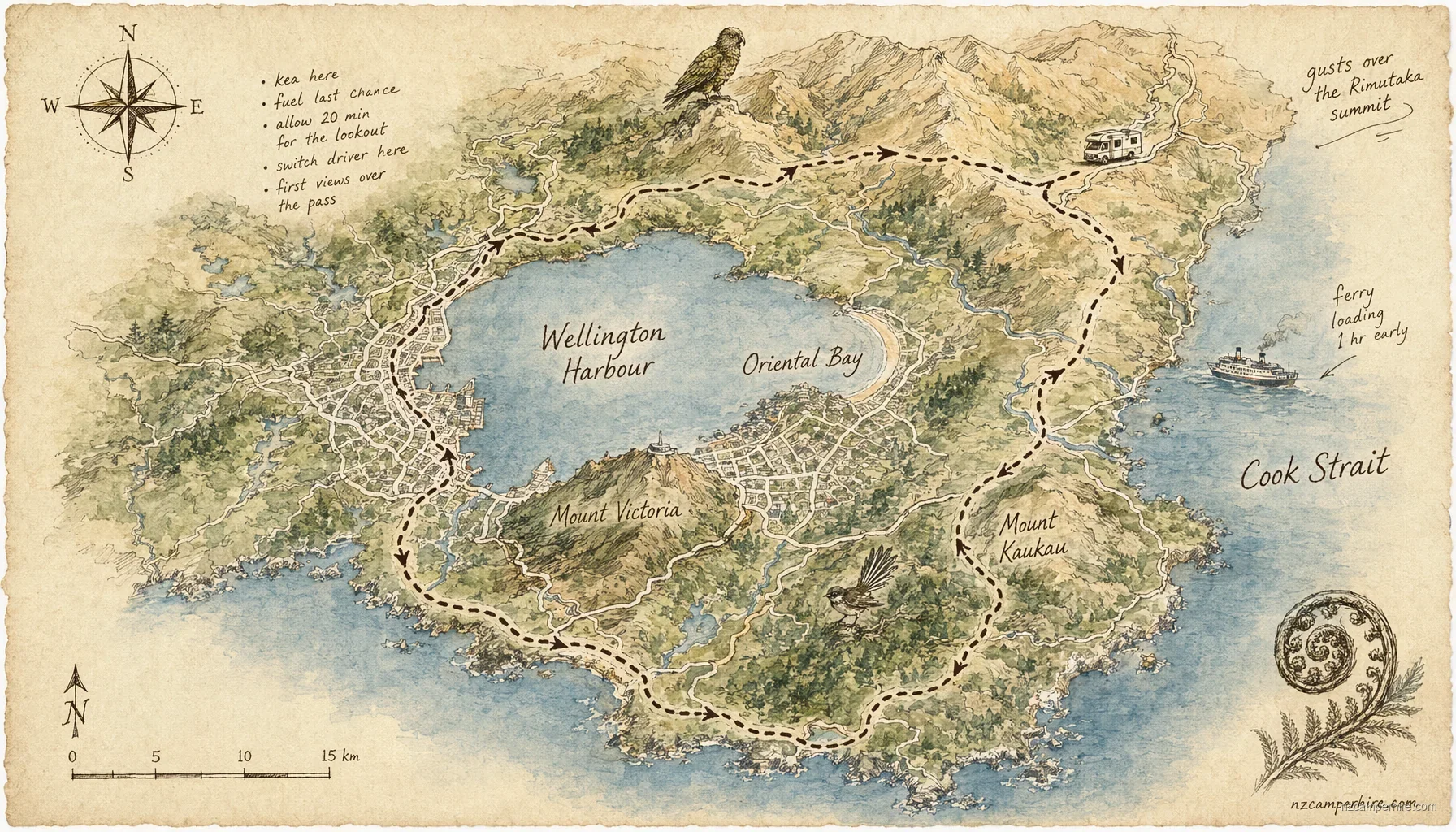
- SH2 over the Remutaka Hill: Wellington to Martinborough is about 80 km and 1 hour 40 minutes. It is sealed and normal, but winding and exposed in wind.
New Zealand drives on the left. Foreign licences in English are valid for up to 12 months. If your licence is not in English, bring an International Driving Permit or an approved translation.
Where to stay overnight
Motorhome-tolerant private parks are limited around Wellington, and there are no DOC campsites inside the city itself. Do not assume you can sleep on a waterfront street because you are self-contained certified. Local rules are enforced.
- Wellington Top 10, Lower Hutt: powered and unpowered sites, family-friendly, about 16 km from central Wellington. The draw is easy access to Hutt Valley supermarkets and a less stressful run to the ferry than staying on the far coast.
- Capital Gateway Motor Inn, Newlands: powered sites, practical rather than scenic, about 10 km from the ferry terminals. Good when you have an early sailing and want a short morning drive.
- Camp Elsdon, Porirua: powered and basic non-powered options, simple camp atmosphere, about 22 km north of the city. Useful if you are coming down SH1 and do not want to enter central Wellington late.
- Paekākāriki Holiday Park: powered and unpowered sites, beach-town feel, about 45 km north on the Kāpiti Coast. Good for a quieter night before or after the city, with rail access into Wellington.
- Catchpool Valley Campsite, Remutaka Forest Park: DOC non-powered site, bush setting, about 45 km from central Wellington. Better for travellers heading toward Wairarapa than those catching an early ferry.
- Kaitoke Regional Park: non-powered regional park camping, quiet and green, about 45 km north-east in Upper Hutt. It suits a self-contained van and a slower approach to the harbour.
How long to stay before you cross or turn north
The honest minimum is one night. That lets you arrive, shop, dump tanks, sleep legally and make the ferry without turning the morning into a scramble.
At its best, Wellington gives you one quiet harbour morning where the kettle clicks off, gulls complain from the wharf, and the ferry no longer feels like a problem to solve.
Two nights is better for most international travellers. You can spend one full day in the city, visit Te Papa, ride the cable car, walk the waterfront and check the ferry emails without rushing. If the wind disrupts a sailing, you have a little margin.
Three nights is worthwhile if you like museums, food, birdlife or short walks. Zealandia, Mount Victoria, the south coast bays and Matiu/Somes Island can easily fill the extra time. More than three nights only makes sense if Wellington itself is a focus, not just the island-change point.
What to see, and what to skip
Te Papa is the easy city anchor. It is central, weather-proof and genuinely useful for understanding New Zealand before you drive further. The waterfront from the railway station to Oriental Bay is also straightforward without a vehicle.
Mount Victoria Lookout is worth the view, but do not drive a large motorhome up tight residential streets if you are nervous. Use a smaller vehicle, go early, or take the bus and walk. The south coast around Island Bay, Owhiro Bay and Red Rocks is excellent on a calm day, but road space is limited and the wind can be sharp. The south coast is wonderful in calm weather, but it can feel exposed and tight in a bigger van, so choose the day rather than forcing the plan.
Skip trying to use Wellington as a freedom-camping experiment. Also skip packing the ferry day with sightseeing. Ferry check-in times, fuel stops, tank dumping and city traffic take more time than they appear to on a map.
Practical notes for fuel, food and tanks
Supermarkets are easiest in Lower Hutt, Petone, Johnsonville, Newtown, Kilbirnie and Porirua. If you are in a tall motorhome, look for open-air parking rather than central car parks with height barriers. Petone is often simpler than the CBD.
Fuel is widely available, but do not leave it until you are in the ferry queue. Fill before check-in, especially if you are landing in Picton late and continuing toward Blenheim or Nelson. Dump stations are available at some holiday parks and public facilities around the wider region, including Hutt Valley and Porirua areas. Check current access before you plan the day around one point.
Mobile coverage is strong in the city and main valleys. It becomes patchier in parts of Remutaka Forest Park and on some coastal edges. The Cook Strait ferry practical guide is worth reading before you set a fixed crossing day.
Common first-trip mistakes around the harbour
The big mistake is treating Wellington like an airport transfer. Travellers arrive from Tongariro or Hawke's Bay tired, sleep somewhere marginal, then try to catch an early ferry with empty water, full grey tank and no breakfast plan.
The second mistake is underestimating wind. Wellington's wind is not a joke in a high-sided vehicle. Open doors carefully, hold the wheel firmly on exposed roads, and leave extra space around cyclists and parked cars.
The third mistake is choosing accommodation only by distance to the ferry. Ten kilometres through morning traffic can feel longer than 25 km from a simpler approach road. For a January crossing, plan the night before as part of the ferry day, not as a separate city night.
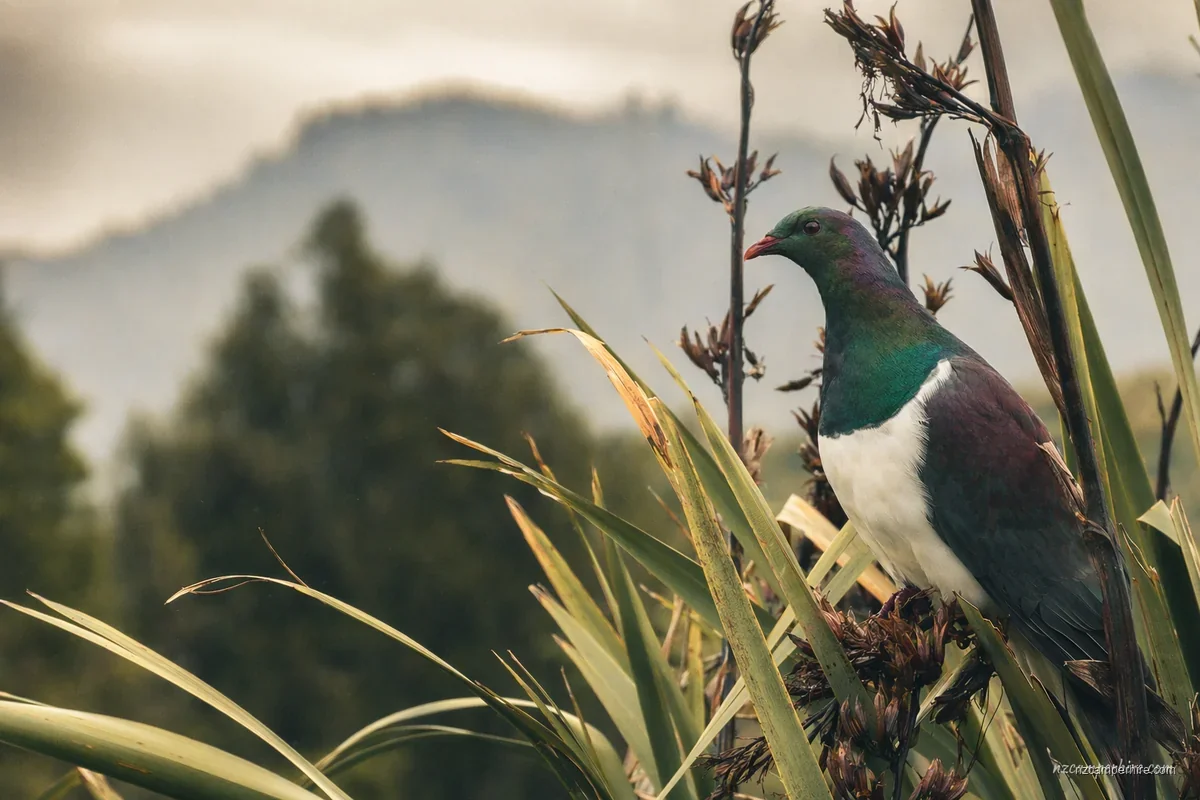
Wellington rewards travellers who linger. Build in one slow morning — coffee on the camp table, the kettle whistling, the day not yet decided.
Te Whanganui-a-Tara — known internationally as Wellington
The Wellington region's mana whenua include Te Āti Awa and the wider Taranaki Whānui confederation around the harbour and south coast, and Ngāti Toa Rangatira around Porirua and the Kāpiti Coast. These iwi migrated from Taranaki and Kāwhia in the 1820s-30s under Te Rauparaha and other leaders.
The North Island itself is Te Ika-a-Māui — the fish of Māui — and Wellington Harbour sits at the mouth of the fish. The South Island is Te Waipounamu, the waters of greenstone, and is also described as Te Waka-a-Māui (Māui's canoe).
- Te Papa Tongarewa (Museum of New Zealand) — National museum, free entry. The marae on level 4 (Rongomaraeroa) is the only marae in the world specifically designed to welcome all peoples — the carvings deliberately incorporate non-Māori figures. Public, free.
- Pipitea Marae — Urban marae near the railway station — visitor experiences by booking only, not a walk-in site.
- Wellington waterfront pou — A series of contemporary pou (carved posts) along the public waterfront walk.
Aoraki Routes acknowledges the mana whenua of Te Āti Awa, Taranaki Whānui and Ngāti Toa Rangatira. We recommend visiting cultural sites with respect and following the tikanga (protocol) of the host iwi.
Related reading
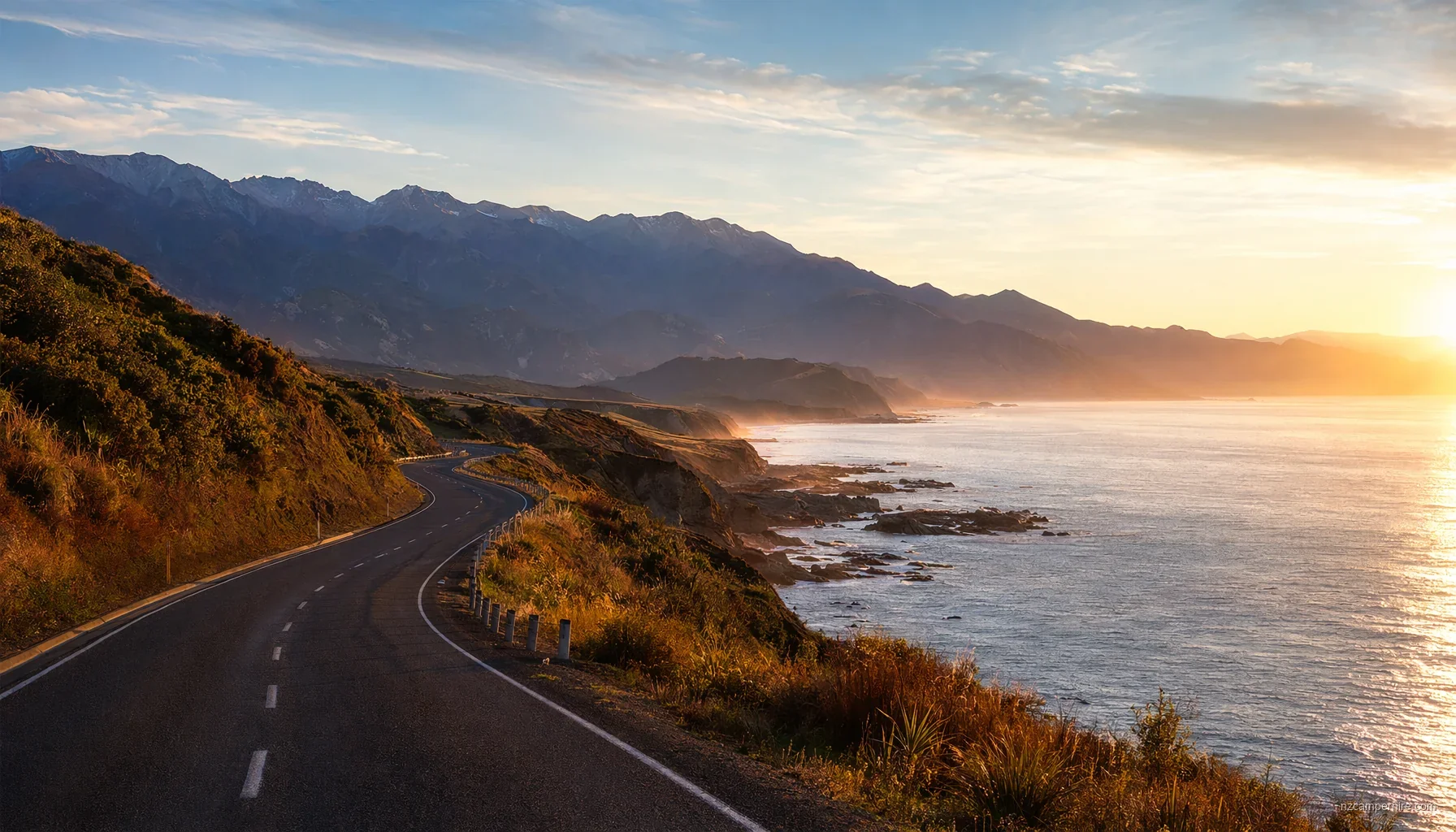 ROUTE
ROUTE North to South in 14 days
Two-week full-NZ — fast-paced but covers North Island highlights, ferry, and South Island core.
See the route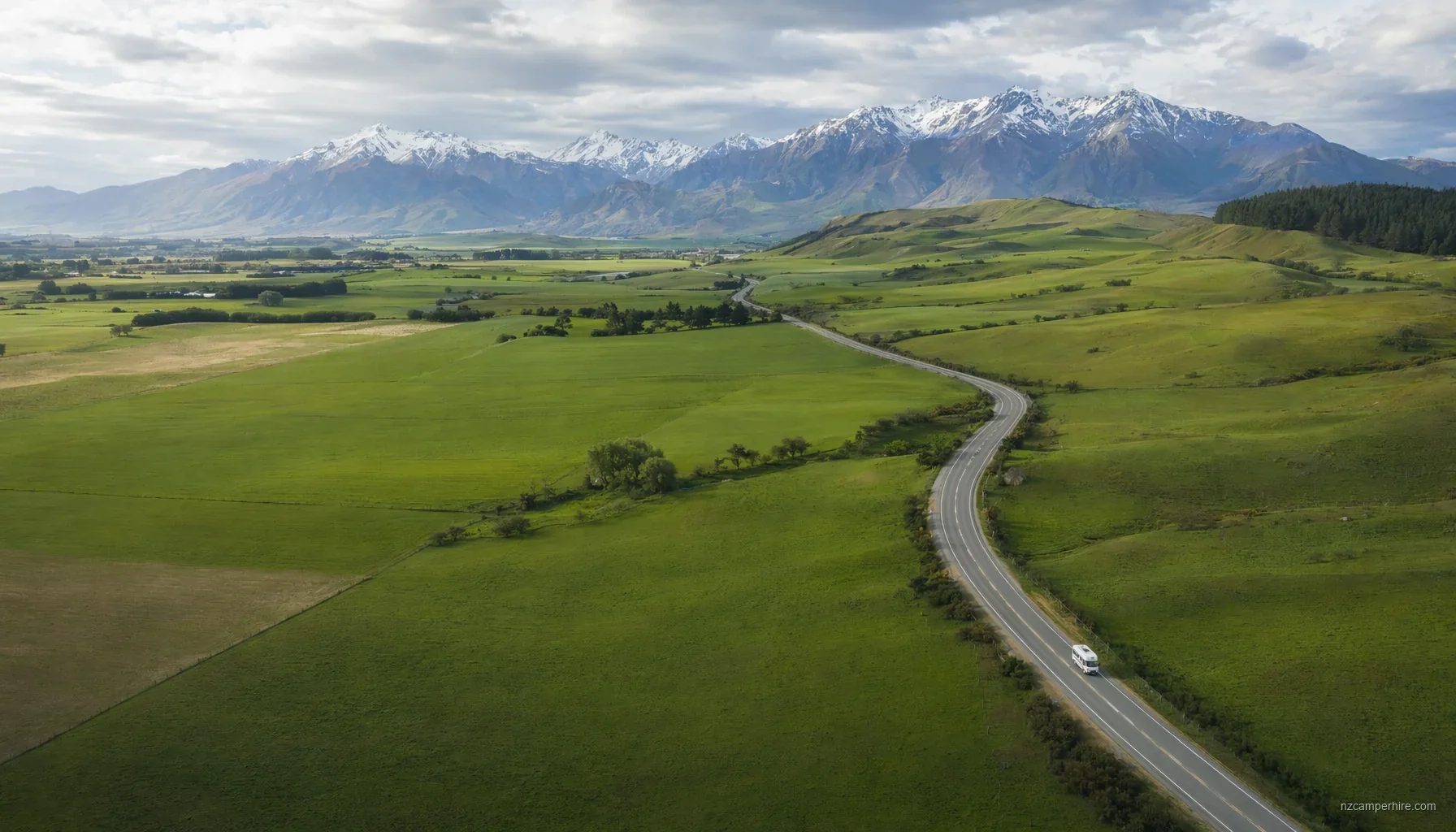 WHEN TO GO
 Best time of year for a NZ campervan trip
Month-by-month — weather, demand, school holidays, peak ferry windows.
Read the timing notes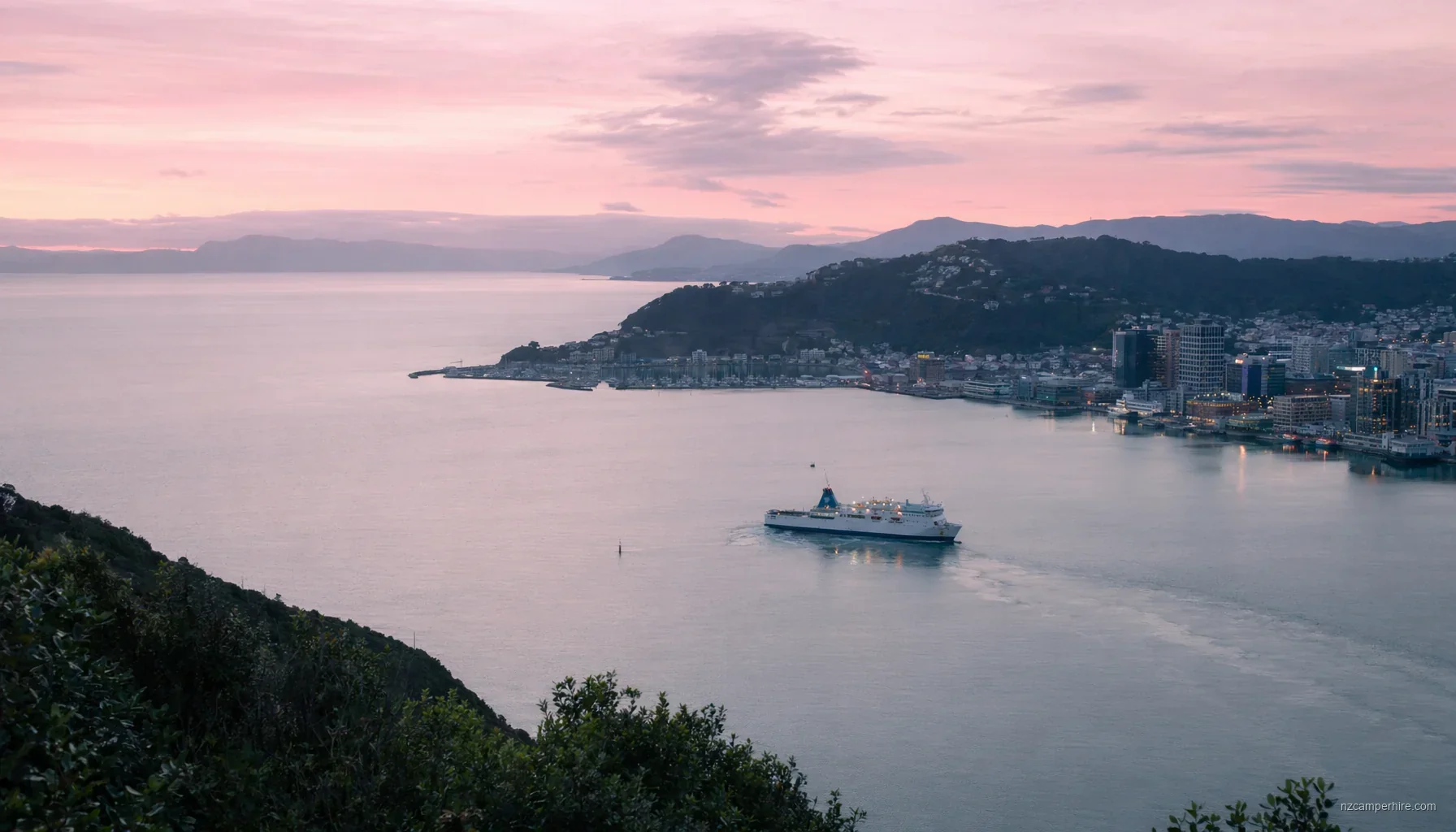 PRACTICAL GUIDE
 Cook Strait ferry with a campervan
Interislander vs Bluebridge, booking tips, what to expect, height/length limits.
Read the guideWellington FAQ
How many nights should we stay in Wellington with a motorhome?
When is the best time to include Wellington in an itinerary?
Where should we do the supermarket shop before the ferry?
Where can we dump grey water and toilet waste in Wellington?
Have a planner shape a trip around this region
Tell us roughly when you're coming and how long you have. We'll come back with a route that gives this region the time it deserves.