Best time of year for a NZ campervan trip
Month-by-month — weather, demand, school holidays, peak ferry windows.
- slow-morning
- busy-summer
- bring-warm-layers
- book-ahead
- ferry-stage
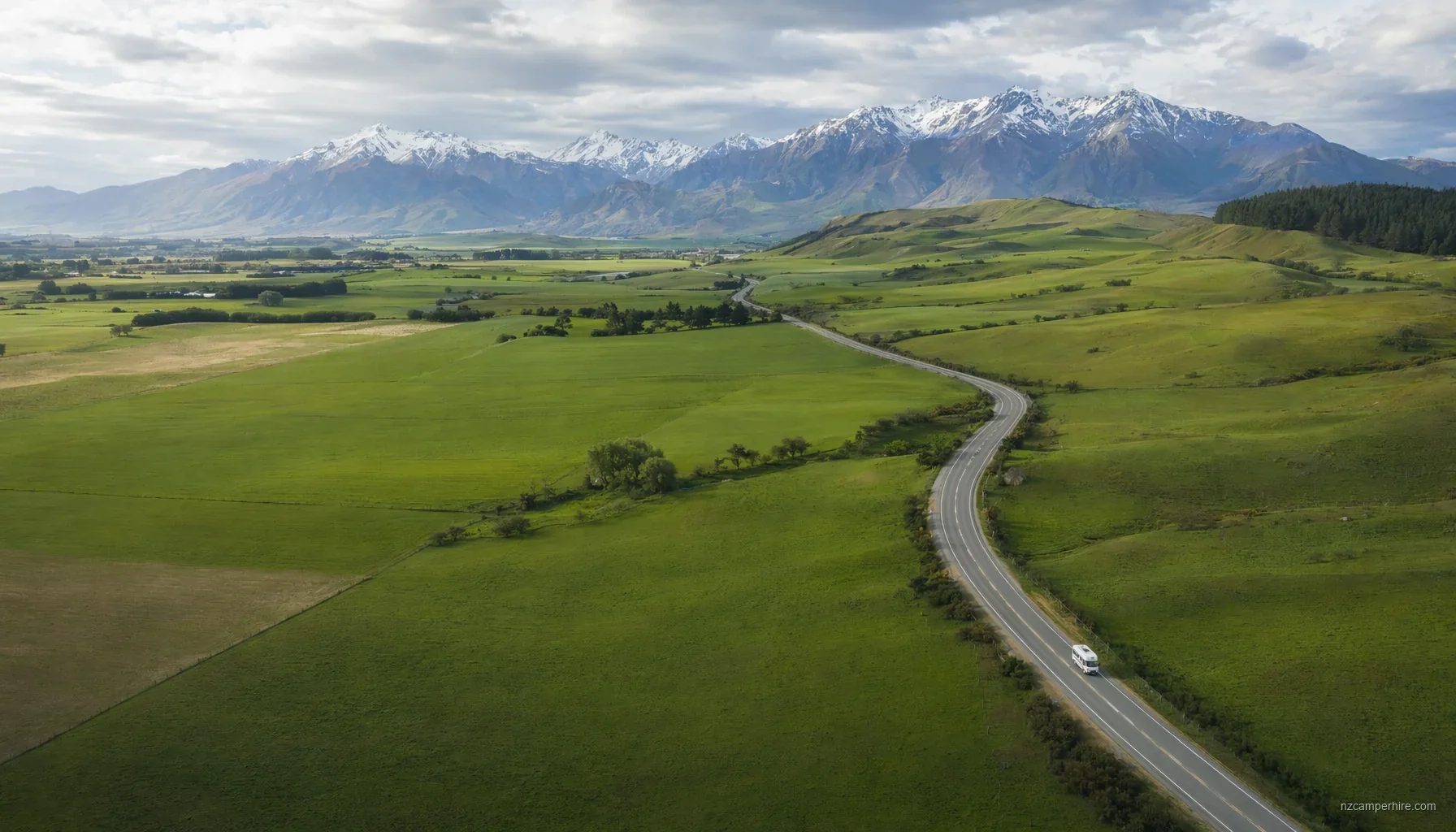
On a good campervan morning here, the kettle fogs the windscreen before the road has fully woken, and the hills can look like they have changed their mind overnight. New Zealand is not a big country on a map, but the seasons change quickly once you are driving SH6 on the West Coast, SH8 through the Mackenzie Country, or SH94 into Milford Sound. A good month for Auckland may be a marginal month for alpine passes near Queenstown.
For most first-time motorhome travellers, February, March and November are the easiest months. December and January work if you plan early. Winter can be excellent, but it asks more of the driver, the vehicle and the route.
Get the planning checklist — and reply with your dates if you'd like a planner to flag the season-specific gotchas for your route.
The short answer by travel style
February and March suit the classic first NZ campervan trip. Days are long, sea temperatures are warm, most alpine roads are clear, and the school-holiday surge has eased after late January. This is the safest bet for South Island in 14 days or South Island in 10 days, especially if you want Aoraki/Mount Cook, Wanaka, Queenstown and the West Coast in one loop.
November is the better shoulder-month choice if you want lower pressure on campsites and ferry space. Expect spring weather: good light, green hills, some wind, and occasional cold rain. April is beautiful inland around Lake Tekapo and Central Otago, but daylight drops and nights cool fast.
July and August are not wrong. They are just a different trip. You need to be happy with short days, icy mornings, possible chain requirements, and slower driving over passes such as Lindis Pass at 965 m and Arthur's Pass at 920 m.
Month-by-month campervan reality
- January: hottest and busiest. New Zealanders are on holiday. Popular sites like White Horse Hill near Aoraki/Mount Cook, Lake Pukaki, Cascade Creek on the Milford Road, and Creeksyde Queenstown can fill early.
- February: still warm, less frantic, very strong for both islands. Book the Cook Strait ferry early if crossing Picton-Wellington.
- March: settled, slightly cooler, good for longer South Island loops and calmer campsite planning.
- April: autumn colour around Wanaka, Queenstown and Arrowtown. Easter can create a short demand spike.
- May to June: quieter and cheaper in the market, but wet on the West Coast and colder inland. Check road conditions daily.
- July to August: winter driving. Great mountain scenery, but not ideal for nervous left-side drivers.
- September to October: spring. Expect lambs, blossom, wind, changeable rain, and occasional snow on high roads.
- November: one of the best planning months before peak season starts.
- December: fine early in the month. From about 20 December, demand jumps sharply.
School holidays, ferries and campsite pinch points
New Zealand school holidays usually run from mid-December to late January, then about two weeks in April, July, and late September or early October. Exact dates change each year. Add public holidays such as Waitangi Day on 6 February, Easter, Anzac Day on 25 April, Labour Day in late October, and the Christmas-New Year week.
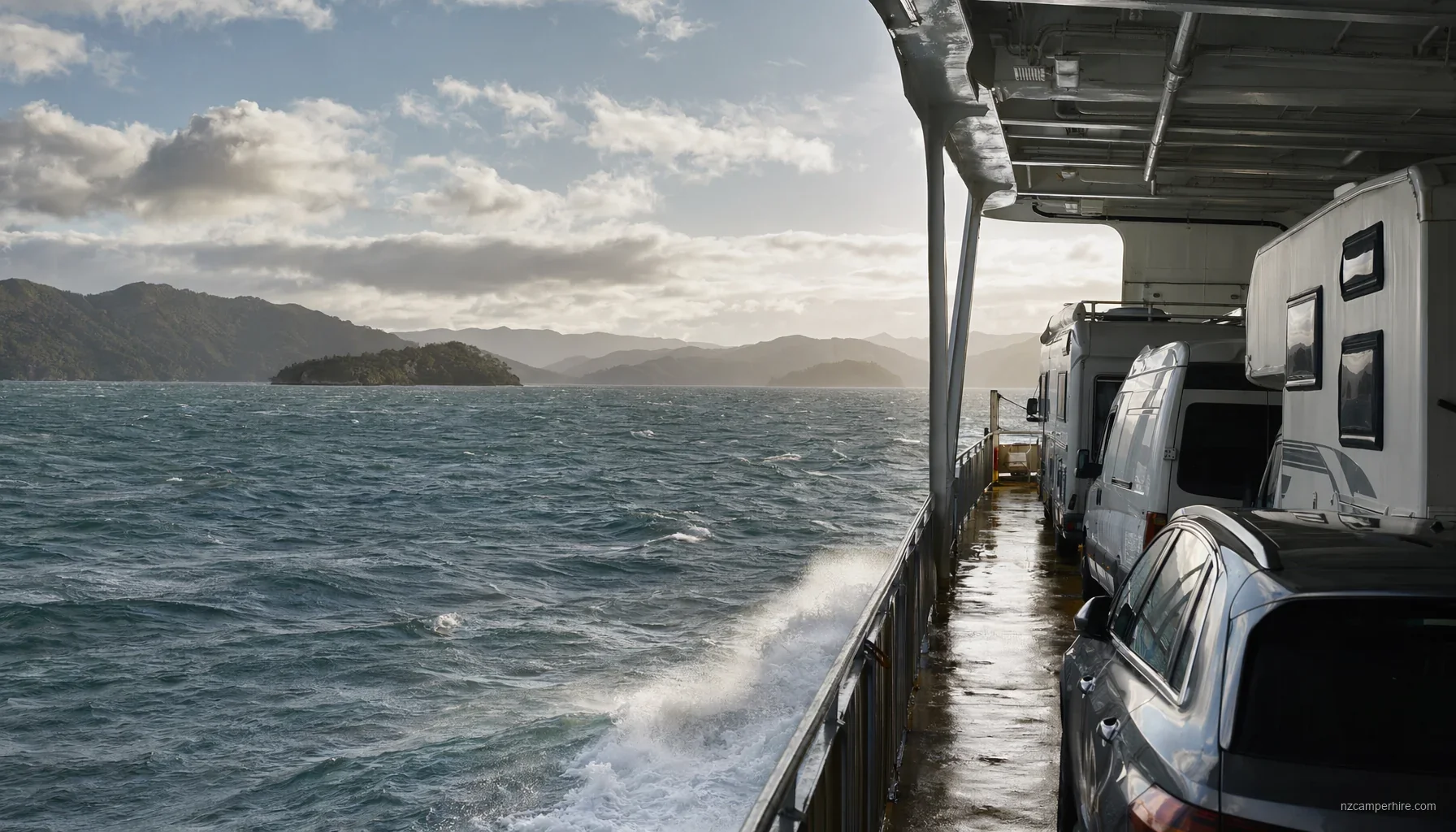
The calmest crossings are the ones where your mug is already washed, your playlist is ready, and nobody is trying to reverse a motorhome in a hurry.
The Cook Strait ferry is the big trap for one-way or two-island itineraries. Interislander and Bluebridge take about 3 hours 20 minutes between Wellington and Picton, but allow roughly 3.5 hours with loading and unloading. For late December, January and February, sort ferry timing around 4 months out if your itinerary depends on it. Our Cook Strait ferry guide is worth reading before you build North Island in 10 days plus South Island in 10 days into one trip.
Holiday parks by location, such as North South Holiday Park in Christchurch, Rotorua Thermal Holiday Park, Russell Top 10, and Creeksyde Queenstown, are practical first-night or last-night anchors in busy months.
North Island timing versus South Island timing
The North Island is milder. Auckland to Paihia in the Bay of Islands is about 230 km and often 4 hours in a campervan with stops and traffic. Rotorua works year-round, though winter nights are cold and damp. North Island in 7 days is less exposed to alpine closures than a South Island route, but summer demand around beaches and lakes is still real.
The South Island has bigger weather swings. Christchurch to Lake Tekapo is about 230 km and 3 hours via SH1, SH79 and SH8 in normal conditions. Queenstown to Milford Sound is about 290 km each way via SH6 and SH94, and takes 4.5 to 5 hours one way in a motorhome before photo stops, tunnel delays, or summer traffic. The South Island rewards extra time, but it punishes a tight plan faster than the North Island when weather turns.
If you are nervous about driving on the left, do not make your first NZ day a mountain-pass day. Start with an easier regional leg from Auckland, Christchurch or Rotorua, then build up.
Vehicle size choices by season
A larger 6-berth can be good value per person for families, but it is slower on tight roads and more tiring in wind. That matters on the Crown Range Road at 1,121 m, the Milford Road, and narrow West Coast sections of SH6. In winter, a compact 2-berth or 4-berth is often easier to place on a powered site and easier to manage in bad weather.
In summer, air flow, fridge size, awning shade and campsite availability matter more than heater strength. In winter, ask about heating, bedding, tyres, snow-chain policy, and how the operator handles road restrictions. Our vehicle size guide pairs well with this page, especially if you are choosing between South Island in 7 days and a longer loop.
For driving rules, use the NZ Transport Agency Waka Kotahi guidance at https://www.nzta.govt.nz. Foreign licences in English are generally valid for up to 12 months. If your licence is not in English, carry an International Driving Permit or approved translation.
A simple rule for picking your month
If your route is South Island-heavy, choose February, March, November or early December unless you specifically want winter. If your trip is North Island-focused, February through April and October through early December are very comfortable, with winter still workable around Auckland, Rotorua and the Bay of Islands.
If you need the lowest crowd pressure, avoid 20 December to late January. If you need the highest weather reliability for alpine roads, avoid building a tight itinerary around July and August. If you want both islands, plan the ferry before you finalise campsite nights.
For freedom camping, season matters less than legality. Council bylaws vary, and popular districts enforce them closely in summer. Read the freedom camping guide before assuming a self-contained vehicle can stop anywhere.
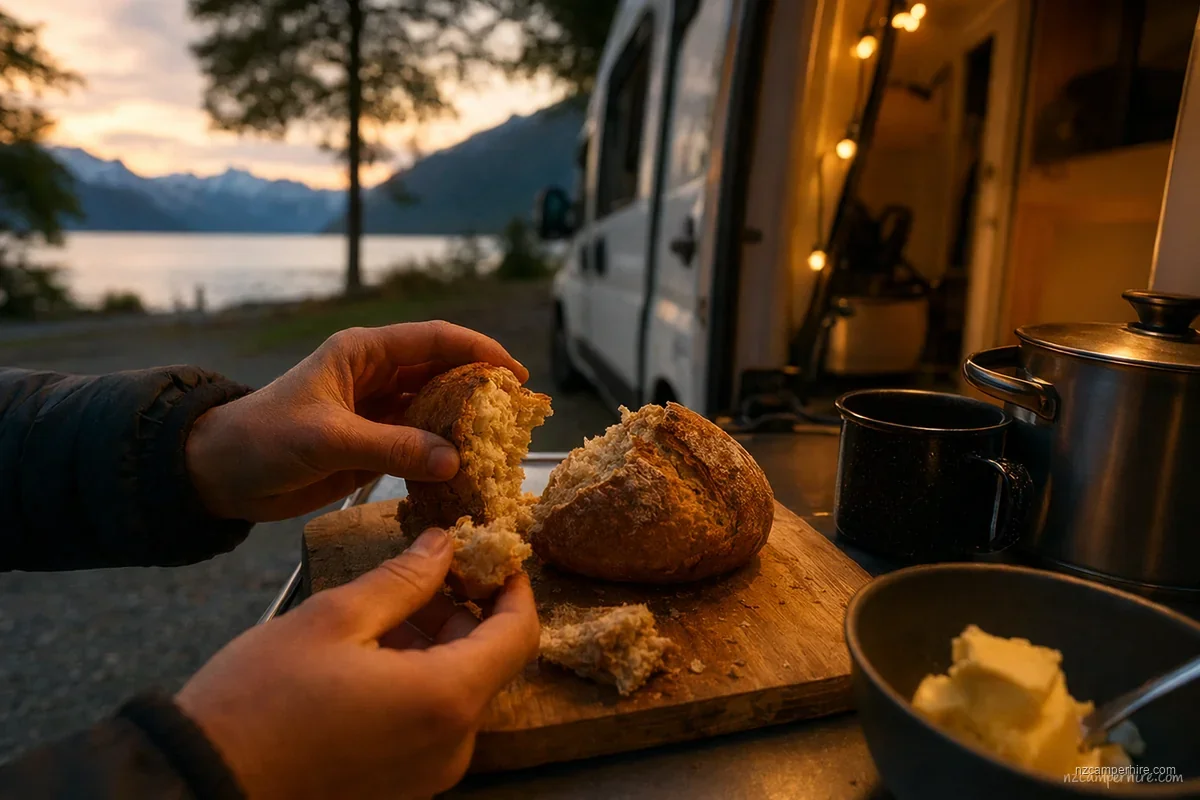
Rules and practicalities are easier to remember when you've felt them — the cold of a wet boot at a freedom camp, the relief of an early ferry slot. This guide is written from those moments, not from a checklist.
Related reading
 ROUTE
ROUTE North to South in 21 days
Full NZ road trip — both islands, ferry crossing, all major national parks.
See the route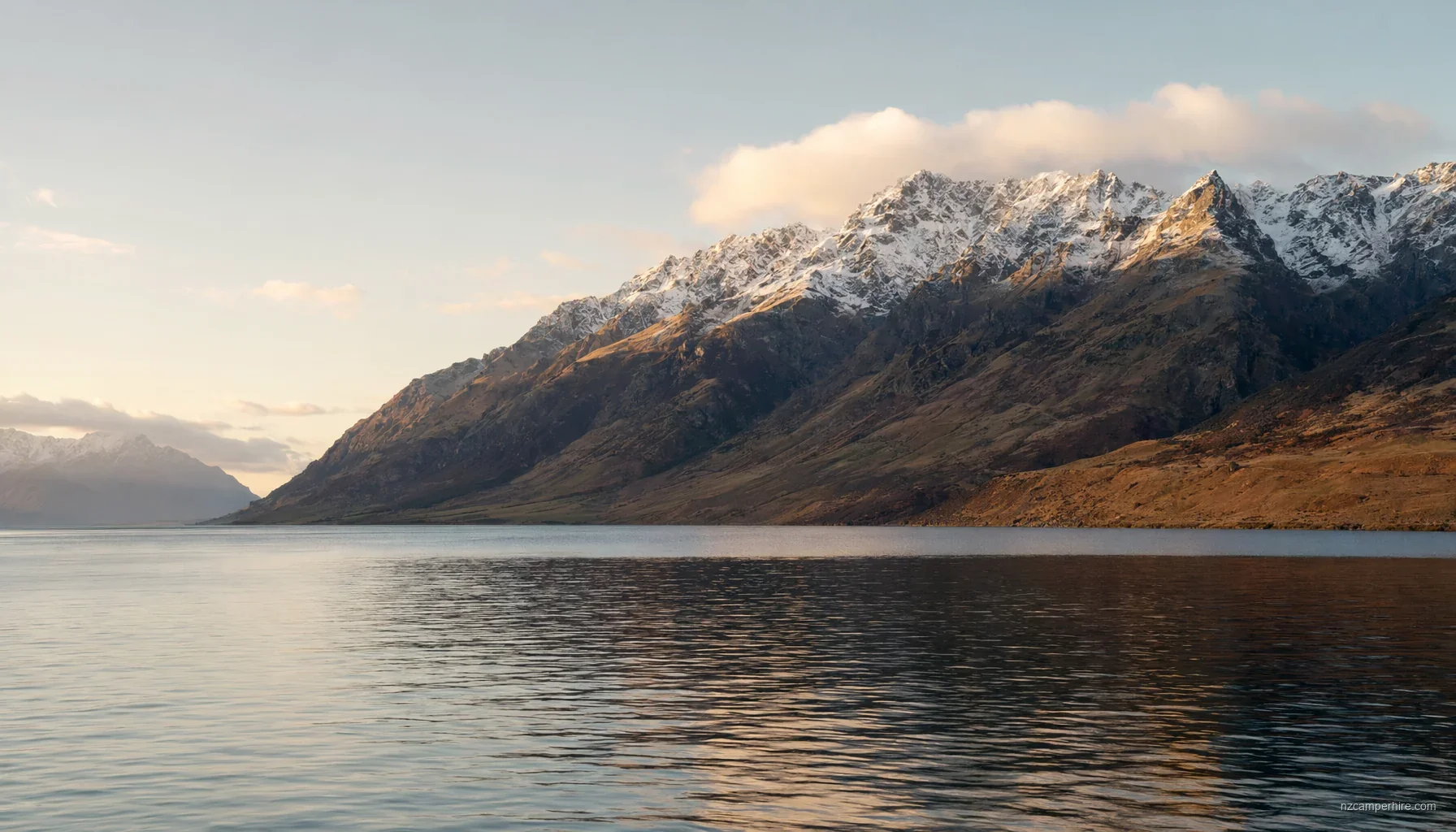 REGION
 Queenstown
Southern Lakes depot. Closest pickup for Milford Sound, Wanaka, Glenorchy, and the Southern Scenic Route.
See the region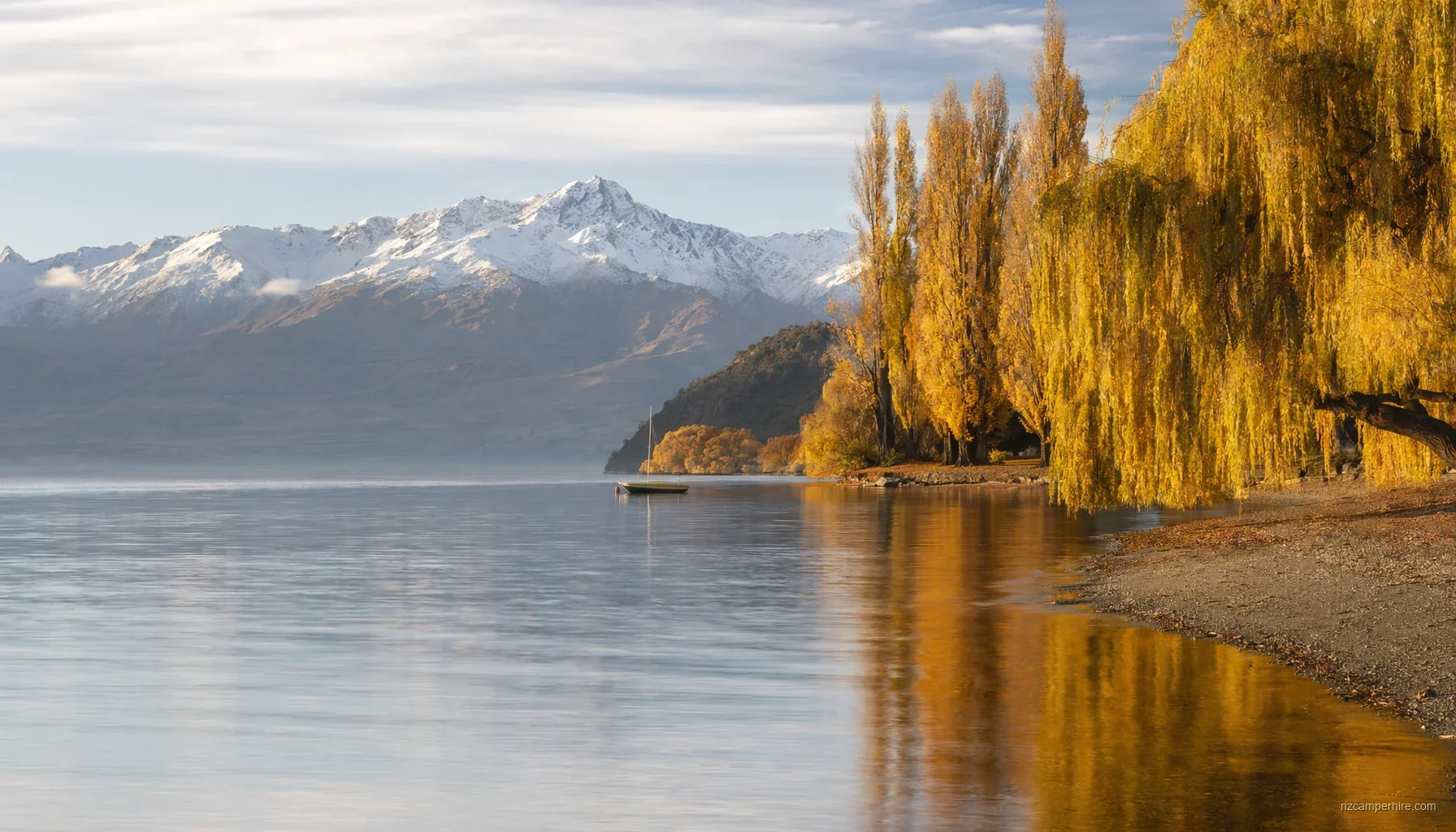 PRACTICAL GUIDE
 Shoulder seasons (March-May, September-November)
Sweet spot for many — better availability, lower rates, still good weather.
Read the guideBest time of year for a NZ campervan trip FAQ
Is December a bad month for a NZ campervan trip?
How early should I plan the Cook Strait ferry in peak season?
Can I drive to Milford Sound in winter in a motorhome?
Is the North Island better than the South Island in winter?
Does my driving licence or hire age change by season?
Have a planner answer this for your specific trip
Rules and practicalities depend on dates, party size, and route. Send us your outline and we'll come back with answers tailored to your trip.