North to South New Zealand in 21 Days
21 days · Auckland → Christchurch or Queenstown
- book-ahead
- ferry-stage
- glacier-stage
- lake-stage
- bring-warm-layers
There is a particular hush to the first morning in a hired motorhome: kettle steam on the window, cupboards learning their own little rattle, and Auckland traffic beginning somewhere beyond the campground fence.
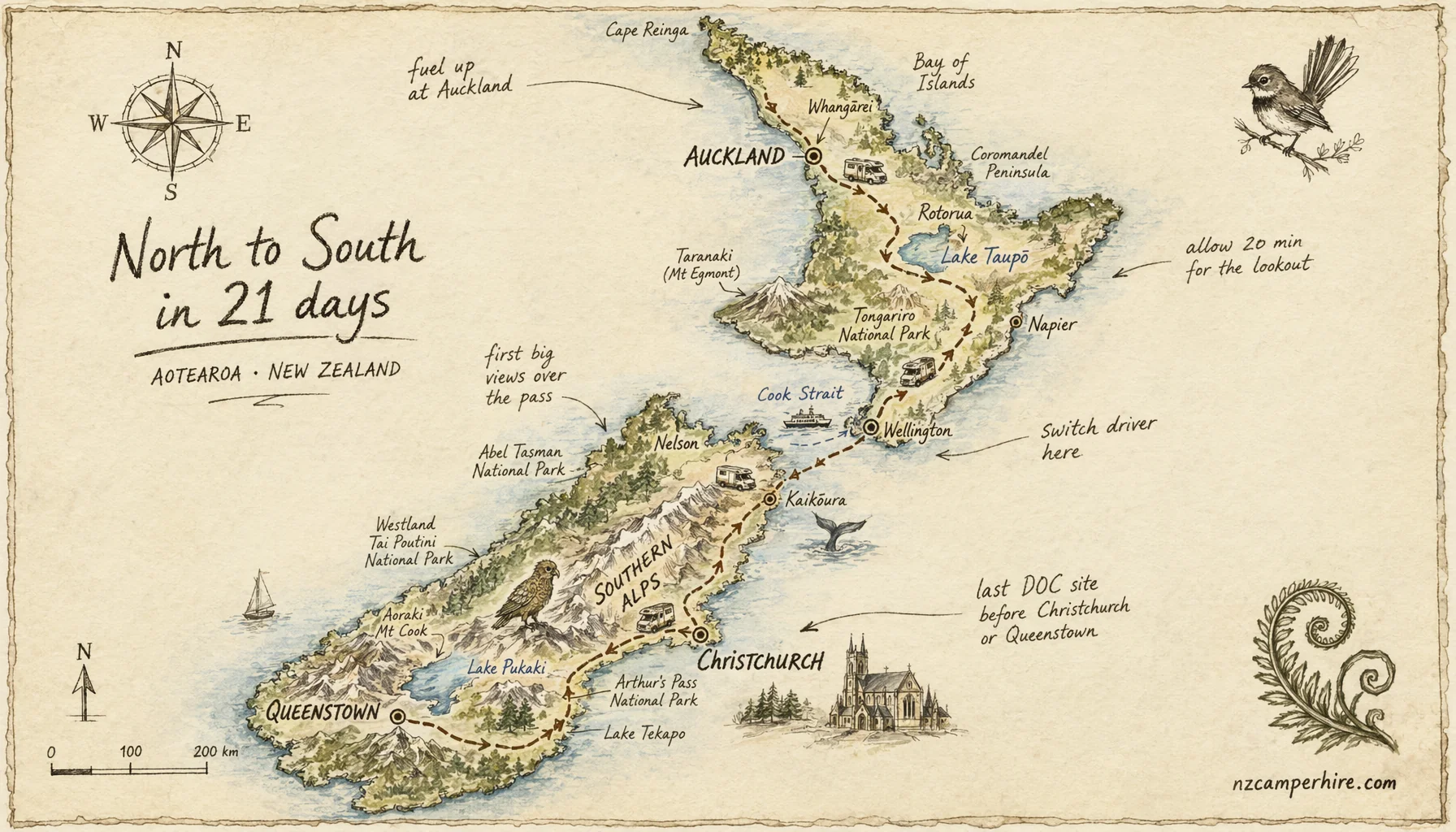
Three weeks is the shortest sensible window for a full Auckland-to-Christchurch motorhome trip that includes Rotorua, Tongariro, the Cook Strait ferry, the West Coast, Wanaka, Queenstown, Milford Sound, and Aoraki/Mount Cook.
The trade-off is clear. You will see both islands, but you cannot linger everywhere. This plan avoids the East Cape on SH2, skips Kaikoura and Dunedin, and keeps the long days to places where the road is part of the trip.
Get this route as a printable plan with the stage-by-stage, the holiday-park shortlist, and a packing checklist — send your dates if you'd like a planner to sense-check the pacing.
Why this route works for a first NZ motorhome trip
This is the big north-to-south shape most first-time visitors are trying to build. It links the North Island geothermal and volcanic country with the South Island alpine routes, then finishes with the lakes and high passes. It suits travellers who want one full New Zealand route rather than two separate holidays.
It is not a slow food-and-wine loop. If your priority is long stays, read the South Island in 14 days route or the Rotorua region guide and build a shorter plan. For this route, November, February, and March are easier than late December because ferry space, powered sites, and Queenstown holiday parks are under less pressure.
The shape of it
Allow about 3,700 km across 21 days. Pure driving is roughly 52 to 56 hours. Real travel time is closer to 75 hours once you add viewpoints, supermarket stops, dump stations, fuel, and slower campervan handling.
- Start: Auckland.
- Finish: Christchurch, with a Queenstown finish option below.
- Ferry: Wellington to Picton, Interislander or Bluebridge.
- Main highways: SH1, SH5, SH6, SH8, SH94. SH73 over Arthur's Pass is a good West Coast alternative, not the main line here.
- High passes: Desert Road 1,074 m, Haast Pass 564 m, Crown Range 1,121 m, Lindis Pass 965 m.
The slow part of this route is the part you'll remember. Build in at least one short evening where the kettle is the only sound — no driving, no plan, just the awning open and the day unwinding.
Stage-by-stage pacing
- Stage 1: Auckland → Paihia via SH1
- Distance: 230 km
- Pure driving time: 3.5 hours; realistic with stops: 4.5 hours
- Overnight: Russell Top 10 or Paihia TOP 10 Holiday Park
- The stage in one line: Collect the vehicle, practise left-side driving, then keep it simple to the Bay of Islands.
- Stage 2: Paihia → Russell and Waitangi local loop
- Distance: 80 km
- Pure driving time: 1.5 hours; realistic with stops: 4 hours
- Overnight: Russell Top 10
- The stage in one line: Visit Waitangi Treaty Grounds, take the vehicle ferry to Russell, and slow the first full day down.
- Stage 3: Paihia → Rotorua via Auckland and SH1
- Distance: 440 km
- Pure driving time: 6 hours; realistic with stops: 7.5 hours
- Overnight: Rotorua Thermal Holiday Park
- The stage in one line: Start early, treat Auckland as a transit section, and arrive in Rotorua before dark.
- Stage 4: Rotorua → Rotorua geothermal day
- Distance: 60 km
- Pure driving time: 1.5 hours; realistic with stops: 5 hours
- Overnight: Rotorua Thermal Holiday Park
- The stage in one line: Choose one geothermal area, add Redwoods or a lake swim, and avoid overpacking the day.
- Stage 5: Rotorua → Tongariro via Taupō and SH1
- Distance: 185 km
- Pure driving time: 2.5 hours; realistic with stops: 4.5 hours
- Overnight: Whakapapa Holiday Park
- The stage in one line: Stop at Lake Taupō, cross the volcanic plateau, and set up near Tongariro National Park.
- Stage 6: Tongariro National Park local day
- Distance: 40 km
- Pure driving time: 1 hour; realistic with stops: 5 hours
- Overnight: Whakapapa Holiday Park
- The stage in one line: Walk the Tongariro Alpine Crossing if conditions and shuttle timing suit, or pick shorter Whakapapa tracks.
- Stage 7: Tongariro → Wellington via Desert Road
- Distance: 335 km
- Pure driving time: 4.5 hours; realistic with stops: 6 hours
- Overnight: Wellington Top 10 Holiday Park in Lower Hutt
- The stage in one line: Cross the Desert Road at 1,074 m, then keep moving south for the ferry city.
- Stage 8: Wellington → Nelson via Cook Strait and Picton
- Distance: 110 km road driving
- Pure driving time: 1.8 hours; realistic with ferry and stops: 7 hours
- Overnight: Tāhuna Beach Holiday Park, Nelson
- The stage in one line: Sail Wellington to Picton, then take the Queen Charlotte Drive if you are fresh and the weather is settled.
- Stage 9: Nelson → Kaiteriteri and Abel Tasman
- Distance: 65 km
- Pure driving time: 1.25 hours; realistic with stops: 4 hours
- Overnight: Kaiteriteri Recreation Reserve
- The stage in one line: Book a water taxi or beach walk rather than trying to drive deeper into the park.
- Stage 10: Kaiteriteri → Punakaiki via SH6 and Buller Gorge
- Distance: 285 km
- Pure driving time: 4 hours; realistic with stops: 6 hours
- Overnight: Punakaiki Beach Camp
- The stage in one line: Follow SH6 through the Buller Gorge and reach the Pancake Rocks before sunset.
- Stage 11: Punakaiki → Franz Josef via the West Coast
- Distance: 220 km
- Pure driving time: 3 hours; realistic with stops: 5.5 hours
- Overnight: Rainforest Retreat Holiday Park, Franz Josef
- The stage in one line: Stop in Hokitika for supplies and jade galleries, then continue to glacier country.
- Stage 12: Franz Josef → Fox Glacier and Lake Matheson
- Distance: 60 km
- Pure driving time: 1.2 hours; realistic with stops: 4 hours
- Overnight: Rainforest Retreat Holiday Park, Franz Josef
- The stage in one line: Use the weather window for a glacier viewpoint, Lake Matheson, or a guided activity.
- Stage 13: Franz Josef → Wanaka via Haast Pass
- Distance: 285 km
- Pure driving time: 4 hours; realistic with stops: 7 hours
- Overnight: Wanaka Lakeview Holiday Park
- The stage in one line: Drive SH6 over Haast Pass at 564 m, stopping at Thunder Creek Falls and Lake Hawea.
- Stage 14: Wanaka → Queenstown via Crown Range
- Distance: 70 km
- Pure driving time: 1.25 hours; realistic with stops: 3.5 hours
- Overnight: Creeksyde Queenstown
- The stage in one line: Cross the Crown Range at 1,121 m only if conditions are good, then spend the afternoon in Arrowtown or Queenstown.
- Stage 15: Queenstown → Te Anau via SH6 and SH94
- Distance: 175 km
- Pure driving time: 2.5 hours; realistic with stops: 4 hours
- Overnight: Te Anau Lakeview Kiwi Holiday Park
- The stage in one line: Shop in Queenstown, drive to Te Anau, and prepare for the Milford road rather than rushing it.
- Stage 16: Te Anau → Te Anau via Milford Sound
- Distance: 240 km
- Pure driving time: 4 hours; realistic with stops: 8 hours
- Overnight: Te Anau Lakeview Kiwi Holiday Park or DOC Cascade Creek if travelling self-contained
- The stage in one line: Drive SH94 early, leave time for the Homer Tunnel queue, and return before fatigue wins.
- Stage 17: Te Anau → Wanaka via Queenstown
- Distance: 230 km
- Pure driving time: 3.5 hours; realistic with stops: 5.5 hours
- Overnight: Wanaka Lakeview Holiday Park
- The stage in one line: Use this as a reset day with laundry, food, and a calmer lake evening.
- Stage 18: Wanaka → Aoraki/Mount Cook via Lindis Pass and SH8
- Distance: 210 km
- Pure driving time: 3 hours; realistic with stops: 5 hours
- Overnight: DOC's White Horse Hill near Mount Cook village
- The stage in one line: Stop at the Lindis Pass viewpoint at 965 m, then follow Lake Pukaki toward Aoraki.
- Stage 19: Aoraki/Mount Cook local day
- Distance: 60 km
- Pure driving time: 1 hour; realistic with stops: 4 hours
- Overnight: DOC's White Horse Hill near Mount Cook village
- The stage in one line: Walk Hooker Valley early, check the weather, and keep the afternoon free.
- Stage 20: Aoraki/Mount Cook → Lake Tekapo
- Distance: 105 km
- Pure driving time: 1.5 hours; realistic with stops: 4 hours
- Overnight: Lake Tekapo Motels and Holiday Park
- The stage in one line: Photograph Lake Pukaki, reach Tekapo without rushing, and leave time for the lakefront.
- Stage 21: Lake Tekapo → Christchurch via SH8 and SH1
- Distance: 230 km
- Pure driving time: 3 hours; realistic with stops: 4.5 hours
- Overnight: North South Holiday Park if flying the next morning
- The stage in one line: Drive through Fairlie and Geraldine, clean the vehicle, and avoid a same-day international flight.
Best months and ferry timing
March is the easiest month for this route: warm enough for the South Island, less school-holiday pressure, and still long evenings. November is good for lower crowds, but alpine weather is less settled. January has the best beach energy and the hardest logistics.
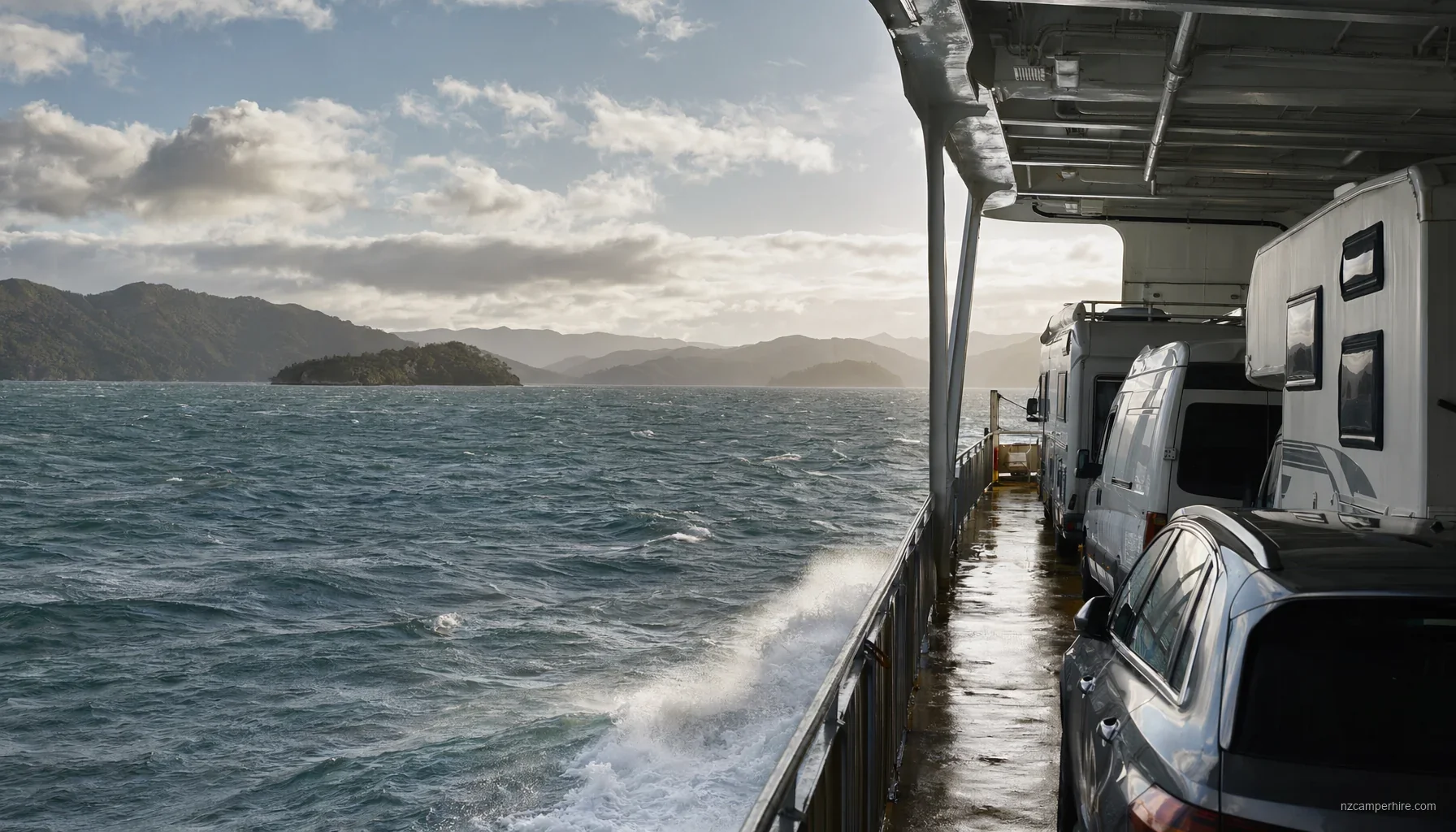
For December and January vehicle space, book the Interislander or Bluebridge Cook Strait ferry about 4 months ahead, not 2 weeks. The Wellington to Picton crossing is about 3 hours 20 minutes on the water, and closer to 3.5 hours once loading is included. Use the Cook Strait ferry guide and the When to go in March page together.
Full NZ road trip — both islands, ferry crossing, all major national parks.
Vehicle size for this route
For two adults, the most comfortable choice is usually a 2-berth or compact 4-berth with an onboard toilet and shower. The extra space helps on wet West Coast days and in Queenstown, where you may spend more time inside than planned.
The larger van gives space on wet nights, but it asks for more patience on high passes and small car parks.
A 6-berth can work for families, but it is harder work on the Crown Range, in supermarket car parks, and on narrow sections of SH94 to Milford Sound. If you are still deciding, read the Vehicle Size Guide before you build the final overnight list. Self-containment certification also matters, especially if you want DOC sites like White Horse Hill or Cascade Creek rather than full-service holiday parks every night.
Where to slow down and where to skip
Slow down in Rotorua, Tongariro, the West Coast, Wanaka, and Aoraki/Mount Cook. Those are the places where weather changes the plan, and where one extra night can save the trip from feeling like a delivery run.
The best spare night is the one that turns a wet sock morning into a slow coffee and a clear-track afternoon.
Skip the SH2 East Cape, Kaikoura, Dunedin, and the Catlins on this version. They are not second-rate places. They are just too far off this line for a clean 21-day first motorhome trip. The freedom camping guide is worth reading before you assume you can make up time by stopping anywhere. In New Zealand, legal overnight parking depends on local bylaws, signage, and the vehicle's certification.
If you want to finish in Queenstown instead
Finish in Queenstown if international flight connections work better or you want more time around Fiordland. After Stage 16, return Te Anau to Queenstown and spend the remaining nights between Queenstown and Wanaka. Do not force Mount Cook and Christchurch into the last two days unless you enjoy long driving at the end of a holiday.
The likely cost trade-off is a one-way drop-off fee or a narrower vehicle choice. That changes by operator, vehicle class, and season, so treat it as a planning variable rather than a fixed number.
If you fall a day behind
The easiest recovery is to cut the Bay of Islands local day or the second Franz Josef night. The second option is to skip the Lake Tekapo overnight and drive Aoraki/Mount Cook to Christchurch in one long day of about 330 km, 4.5 hours pure driving, and 6 hours with stops.
Do not recover time by driving Te Anau to Milford Sound and onward to Queenstown in the same day in a large motorhome. SH94 is too slow, too scenic, and too tiring for that to be a sensible first-trip move.
Related reading
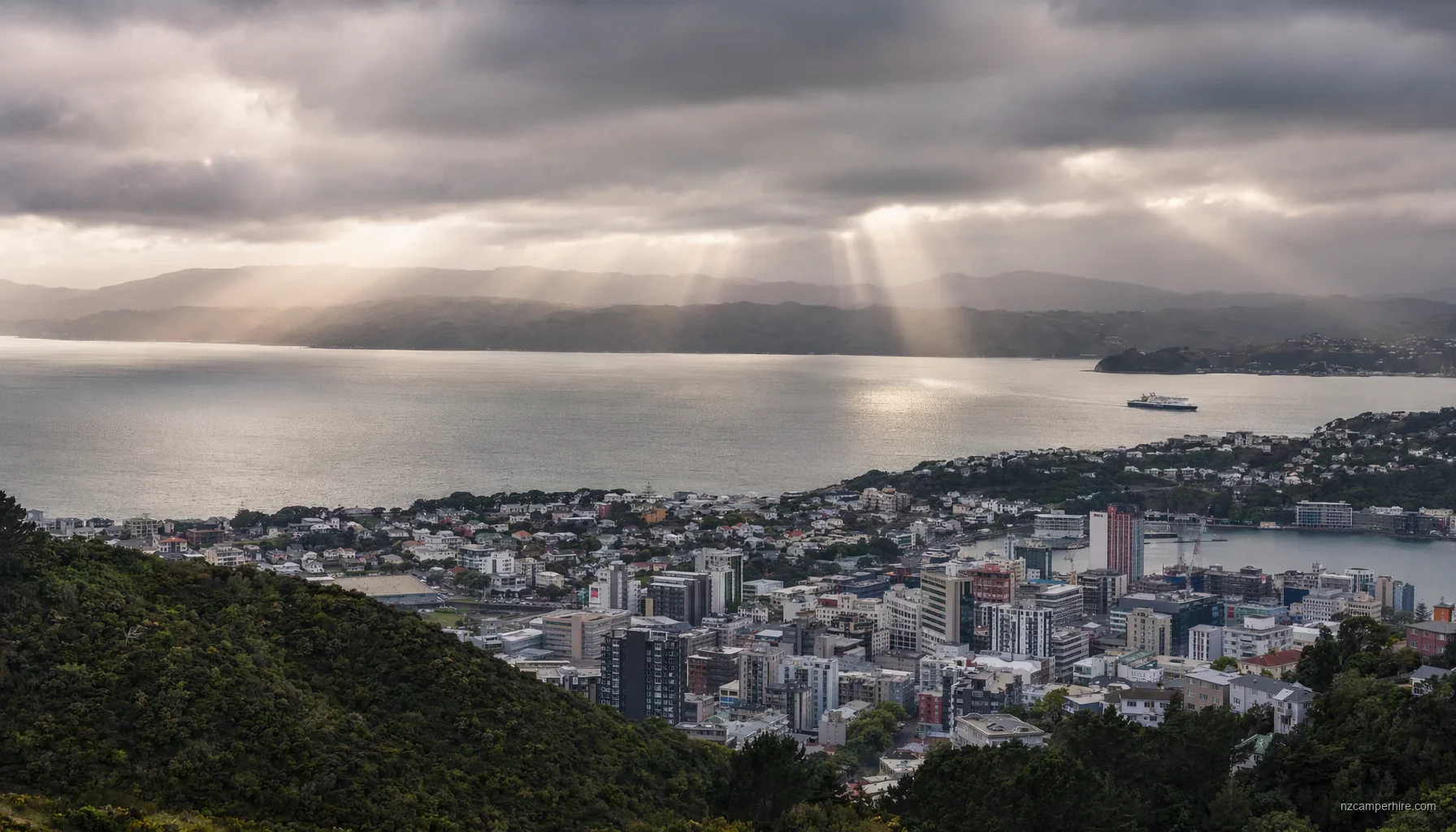 REGION
 Wellington
Capital city and Cook Strait ferry port. The pivot point between islands.
See the region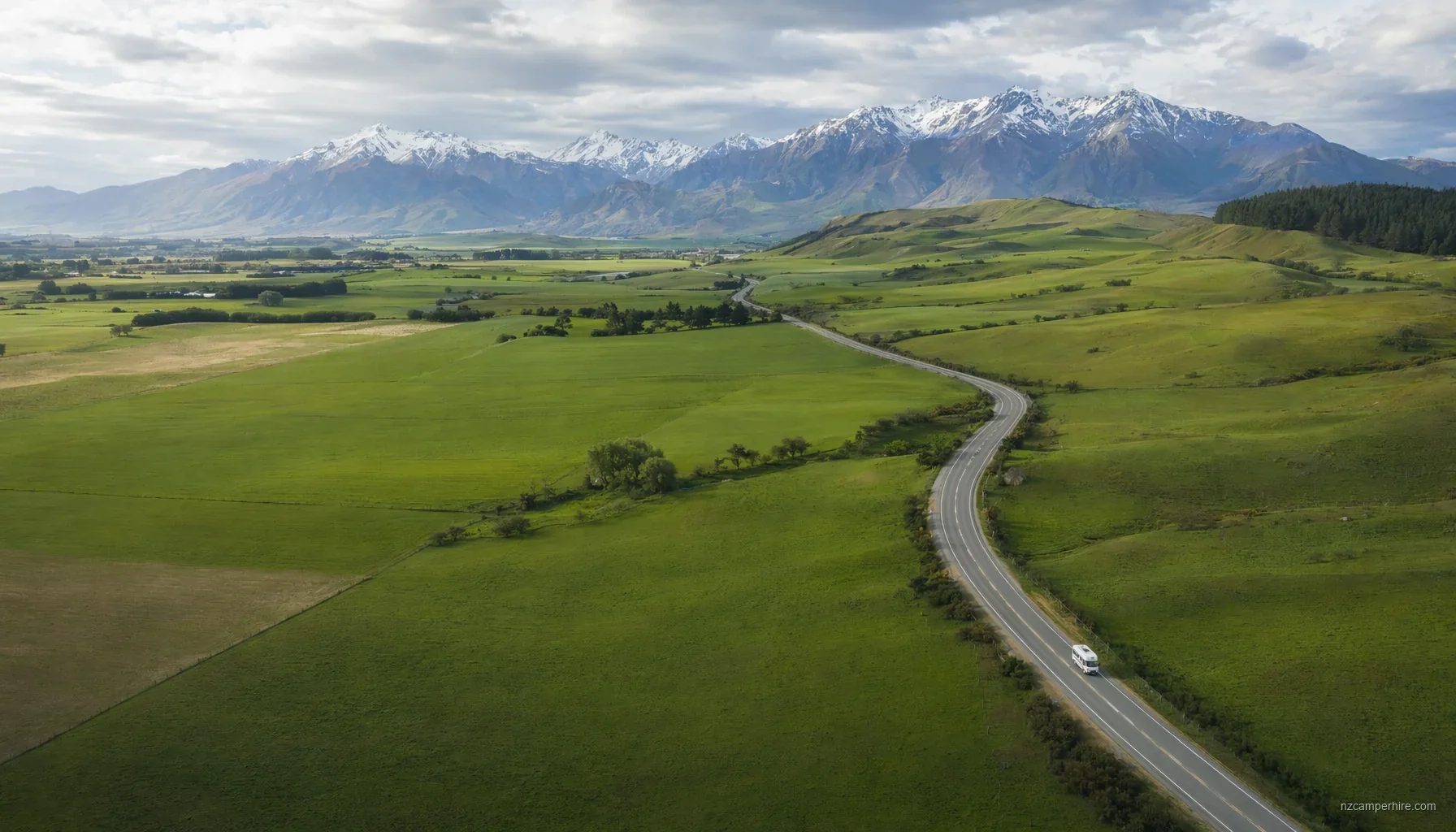 WHEN TO GO
 Best time of year for a NZ campervan trip
Month-by-month — weather, demand, school holidays, peak ferry windows.
Read the timing notes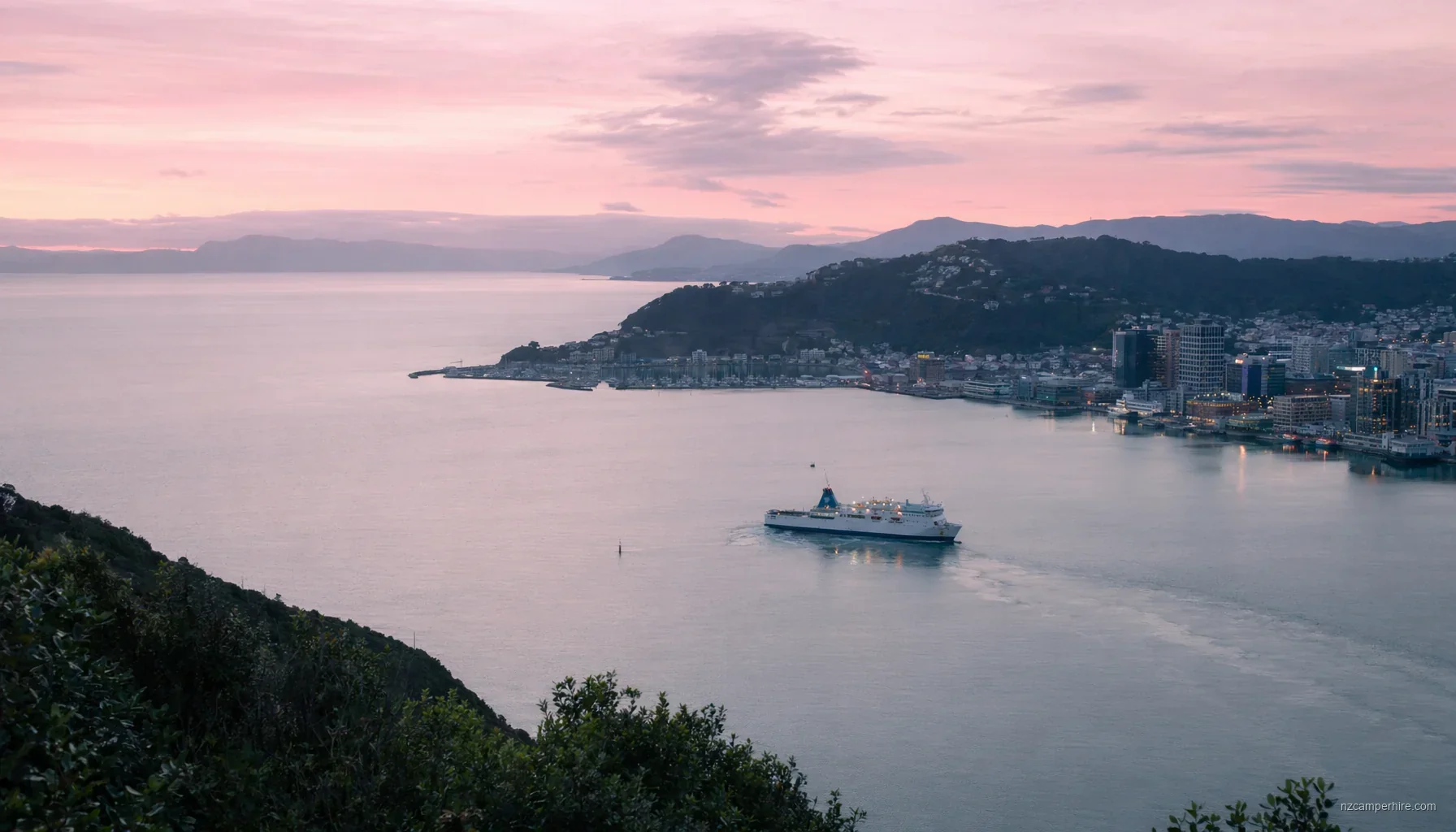 PRACTICAL GUIDE
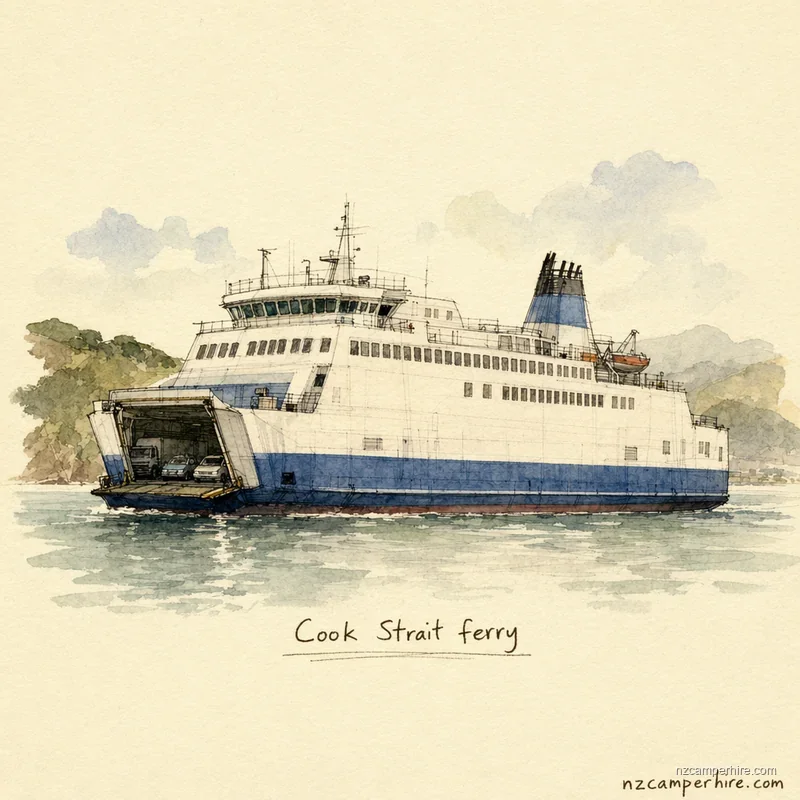
 Cook Strait ferry with a campervan
Interislander vs Bluebridge, booking tips, what to expect, height/length limits.
Read the guideNorth to South in 21 days FAQ
Is 21 days enough for both islands in a motorhome?
Should we finish in Christchurch or Queenstown?
How far ahead should we book the Cook Strait ferry?
Is winter realistic for this north-to-south route?
Have a planner check this route for your dates
Send us a quick outline — dates, party size, must-sees. We come back with a vehicle recommendation and a paced route.