Tongariro National Park by Motorhome
North Island · destination region
- wet-weather-plan
- bring-warm-layers
- book-ahead
- busy-summer
- volcanic-stage
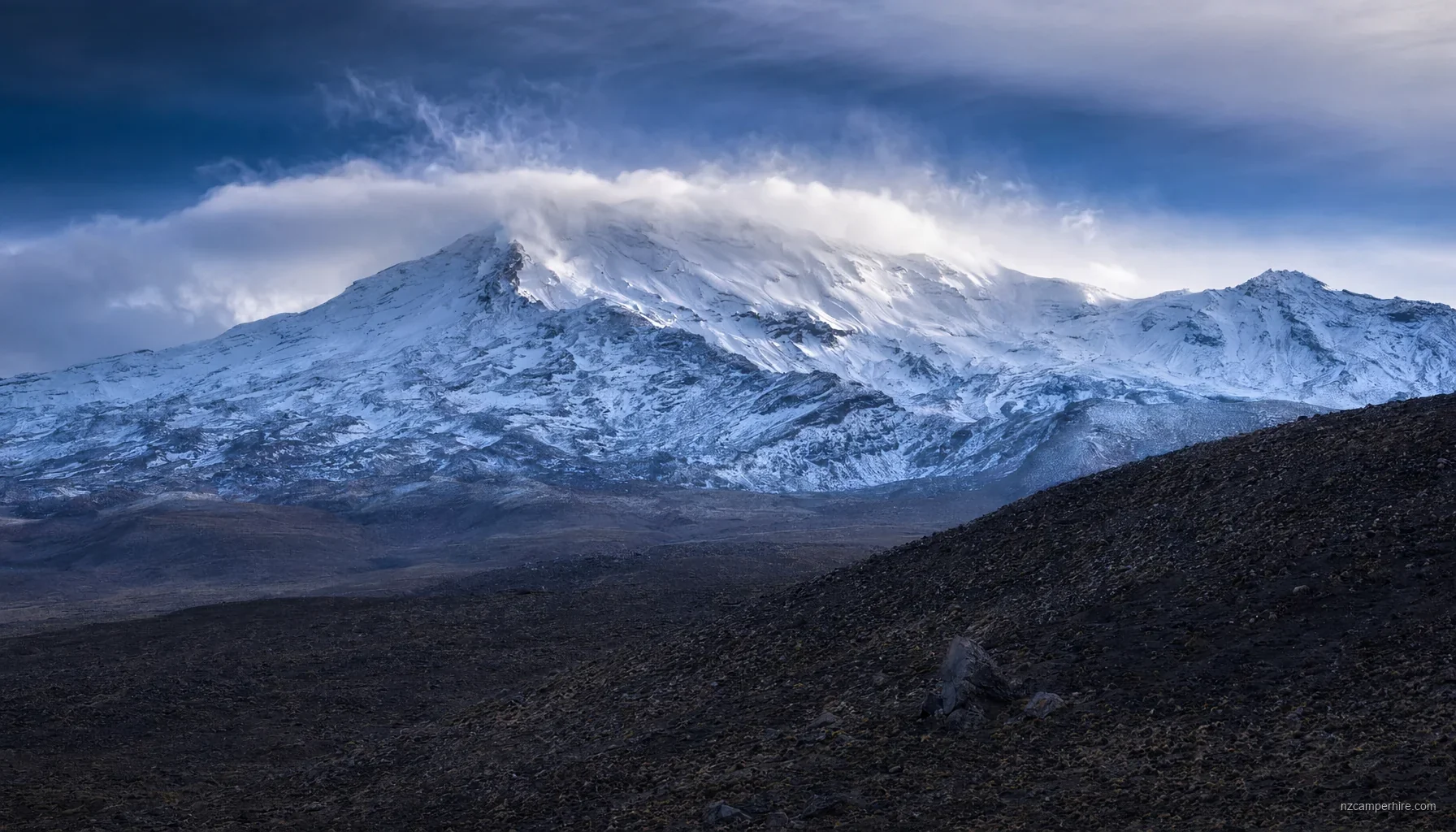
At first light the plateau feels quiet in a very practical way: a kettle murmuring in the van, frost on the grass, and the bulk of Ruapehu deciding how much of itself to show. Tongariro is the volcanic middle of the North Island: Ruapehu, Ngauruhoe and Tongariro, with tussock, lava, alpine weather and the 19.4 km Tongariro Alpine Crossing. It sits between Rotorua, Taupō, Whanganui and Wellington, so it fits well into a North Island in 10 days plan or a Rotorua + Tongariro loop.
The mistake is treating it like a quick photo stop. The weather decides more than your itinerary does. A two-night stay gives you a proper chance at a clear walking day, especially if January is your peak travel month.
See route guides that pass through Tongariro National Park — and reply with your dates if you'd like a planner to suggest the right number of nights here.
What this region is for, in a motorhome
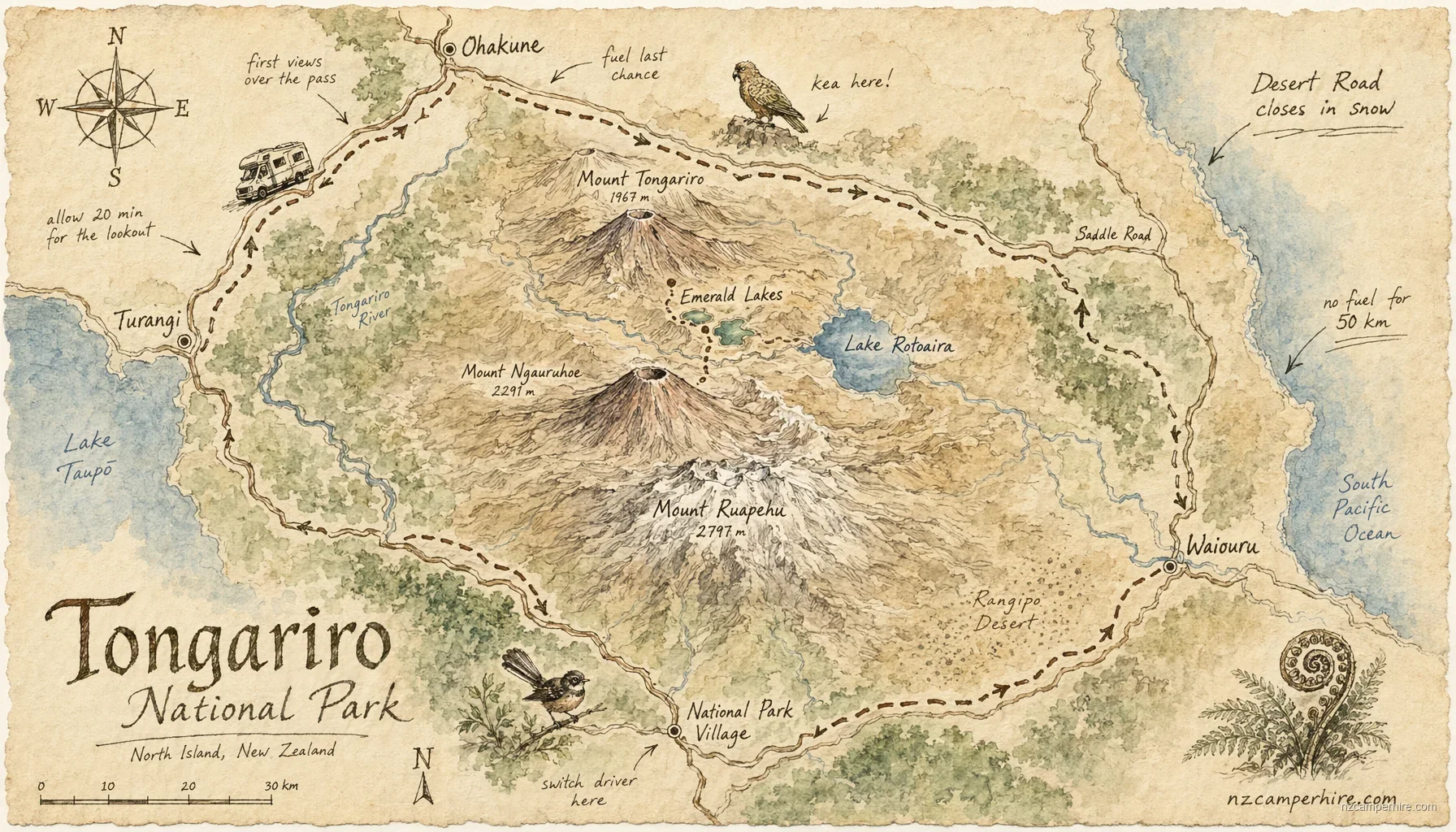
Tongariro is for walkers, weather watchers and travellers who want the North Island to feel wild. The main base areas are Whakapapa Village, National Park Village, Ohakune and Tūrangi. None are large towns. That is part of the appeal, but it means you need to plan food, fuel and tank stops before you arrive.
The Tongariro Alpine Crossing is the headline walk: 19.4 km one-way, usually 6 to 8 hours, with shuttle logistics at each end. It is not a casual stroll. You climb from Mangatepopo, pass Red Crater at about 1,886 m, then descend toward Ketetahi. Weather can change fast, even in summer.
If you are not doing the Crossing, the region still works. Taranaki Falls from Whakapapa is a 6 km loop. The Silica Rapids track is shorter. In winter, Whakapapa and Tūroa ski areas change the rhythm completely, and motorhome travellers need to think about frost, heating and road conditions.
How long to stay
One night is rushed. You can sleep nearby, take a short walk, and move on, but you have little margin if low cloud or wind closes the Crossing.
Two nights is the sensible minimum for most first trips. Arrive from Rotorua or Wellington, check the forecast, walk on the clearer day, then leave the following morning. This suits a North Island in 10 days route if you are not trying to add too many coastal detours.
A good Tongariro morning is often just steam on the window, boots by the step and everyone quietly checking the cloud line before breakfast.
Three nights is better if hiking is a main reason for coming to New Zealand. It lets you add Taranaki Falls, Tawhai Falls, Ohakune Old Coach Road or a quieter day around Lake Rotoaira and Tūrangi. Families in a larger van often prefer three nights because moving every morning gets tiring.
Driving in and out — what the road is actually like
From Rotorua, allow 165 km and 2.5 to 3 hours via SH5, Taupō and SH47, not counting supermarket stops. From Auckland, it is roughly 340 km and 4.5 to 5.5 hours using SH1 and the central routes. From Wellington, allow about 330 km and 4.5 to 5.25 hours via SH1, Waiouru and SH49 or SH4, depending on your base.
SH1 over the Desert Road is exposed, high and open. The road reaches about 1,074 m and can close for snow, ice, wind or crashes, especially in winter. SH4 around National Park is easier in settled weather but still has bends, trucks and patches where you will want both hands on the wheel. The Desert Road is rewarding in clear weather, but it is also one of the first places to remind visitors that central North Island conditions deserve a buffer day.
New Zealand drives on the left. Foreign licences in English are valid for up to 12 months; if your licence is not in English, bring an International Driving Permit or approved translation. Minimum hire age varies, often 18 to 25 depending on operator and vehicle class.
Where to stay overnight
Legal overnight spots are not unlimited in Tongariro. Much of the land is national park or conservation land, and roadside sleeping can lead to fines. If you are reading a Freedom Camping Guide, check the difference between certified self-contained camping and ordinary parking before you rely on an app pin.
- Whakapapa Holiday Park: powered and non-powered sites, family-friendly, in Whakapapa Village, about 0.5 km from the visitor centre; the draw is walking straight onto the Taranaki Falls and Silica Rapids tracks.
- DOC Mangahuia Campsite: non-powered DOC camping, simple and outdoorsy, about 7 km from Whakapapa Village; the draw is a lower-key conservation setting, with no resort feel and no town noise.
- Discovery Lodge: powered and non-powered sites, practical rather than fancy, about 10 km from Whakapapa Village on SH47; the draw is Crossing shuttle convenience and big mountain views when the cloud lifts.
- Tongariro Holiday Park: powered and non-powered sites, quieter traveller vibe, about 30 km from Whakapapa Village toward Tūrangi; the draw is easier access to the northern end of the Crossing and Lake Rotoaira.
- Ohakune Top 10 Holiday Park: powered sites and cabins, strong family setup, about 45 km and 40 minutes from Whakapapa Village; the draw is the Tūroa side of Ruapehu, Ohakune food options and a warmer small-town base.
Best time of year for Tongariro National Park
January is the peak month. It has the longest days, the busiest shuttle season and the biggest pressure on powered sites. February and March can be excellent: still warm enough for alpine walking, but usually less frantic than the Christmas school holiday period.
November, December and April are shoulder months. They can be good, but the Crossing may still have alpine hazards early in the season or fresh snow later. In winter, treat the park as alpine. The Crossing becomes a technical alpine route requiring the right gear, experience and often a guide. Many rental travellers should choose shorter lower-level walks instead.
If Tongariro is part of a North to South in 21 days itinerary, line it up with the When to Go guide and your Cook Strait ferry plan. Interislander and Bluebridge take about 3 hours 20 minutes between Wellington and Picton, or around 3.5 hours with loading, and summer vehicle spaces should be sorted months ahead.
Practical notes
Fuel is available at National Park Village, Ohakune and Tūrangi, but do not arrive on fumes after dark. Supermarket choice is better in Tūrangi and Taupō than inside the park. National Park Village has smaller food options, useful for basics, not for a full multi-day shop.
For a first New Zealand trip, the Vehicle Size Guide usually points couples toward a 2-berth or compact 4-berth for this region. A 6-berth is workable on the main highways, but it is more awkward in small car parks, shuttle pickup areas and older holiday park layouts. It also uses more fuel on the climbs.
Mobile coverage is patchy away from villages and main roads. Download offline maps before you leave Rotorua, Taupō or Wellington. Book your Crossing shuttle before the night prior in peak periods, then keep checking the official weather and operator updates. The mountain forecast has a way of making everyone in a holiday park suddenly interested in the same noticeboard. A cancelled shuttle is annoying; being high on the ridge in the wrong weather is worse.
Common first-trip mistakes here
The first mistake is giving Tongariro only one night and expecting the weather to cooperate. The second is driving a long morning, then trying to walk a major track in the afternoon. Distances look short on the map, but alpine conditions make the day feel longer.
The third is assuming you can park a motorhome at Mangatepopo all day. In the busy season, there are time restrictions at the road end, and most walkers use shuttles. The fourth is underpacking clothing because it feels warm in Rotorua or Taupō. Carry layers, rain gear, water, food and proper footwear.
Also, do not treat freedom camping as a default. If your van is not certified self-contained, your legal options are much narrower. Even with certification, national park rules and local bylaws still matter.
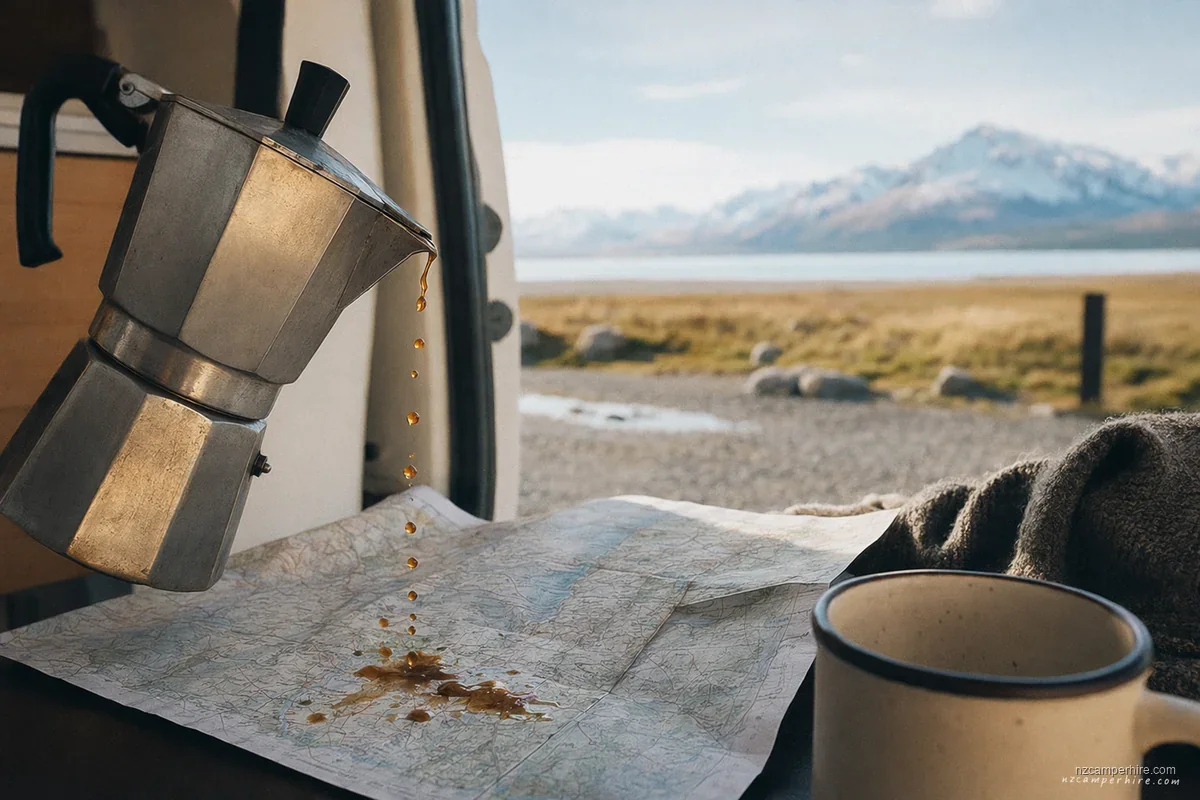
Tongariro National Park rewards travellers who linger. Build in one slow morning — coffee on the camp table, the kettle whistling, the day not yet decided.
Tongariro — known internationally as Tongariro National Park
Ngāti Tūwharetoa are the iwi whose rohe covers the central North Island volcanic plateau and Lake Taupō. In 1887 paramount chief Horonuku Te Heuheu Tūkino IV gifted the summits of Tongariro, Ngāuruhoe, and Ruapehu to the Crown as a protected reserve — making Tongariro the fourth national park in the world and the first ever gifted by an indigenous people. It is now a dual UNESCO World Heritage site for both natural and cultural values.
Each of the three volcanoes is a tipuna (ancestor) in living Ngāti Tūwharetoa whakapapa. The Emerald Lakes on the Tongariro Alpine Crossing are Ngārotopounamu — 'the greenstone-coloured lakes'.
- Tongariro Alpine Crossing — The 19.4km day hike crosses sacred ground. DOC and Ngāti Tūwharetoa ask hikers to not stand on the actual summits (Red Crater, Ngāuruhoe, Tongariro itself) and to not enter or drink from the Emerald Lakes — they are tapu.
- Whakapapa Visitor Centre — DOC visitor centre with the story of the 1887 gift and Ngāti Tūwharetoa's role in co-management. Public, free.
Aoraki Routes acknowledges the mana whenua of Ngāti Tūwharetoa and Ngāti Hikairo ki Tongariro. We recommend visiting cultural sites with respect and following the tikanga (protocol) of the host iwi.
Related reading
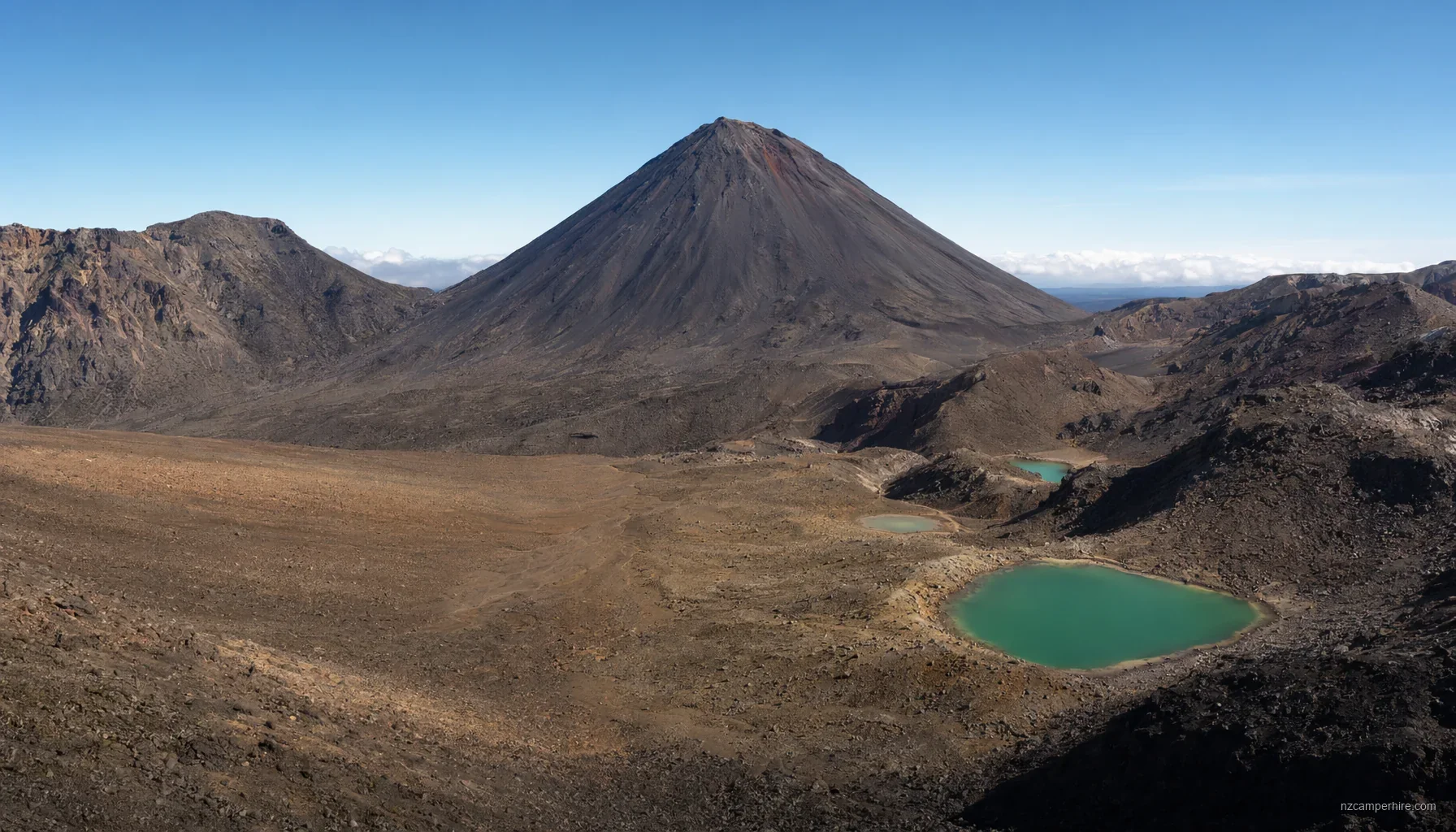 ROUTE
ROUTE Rotorua + Tongariro loop
Volcanic plateau loop — Hobbiton, Rotorua geothermal, Tongariro Alpine Crossing.
See the route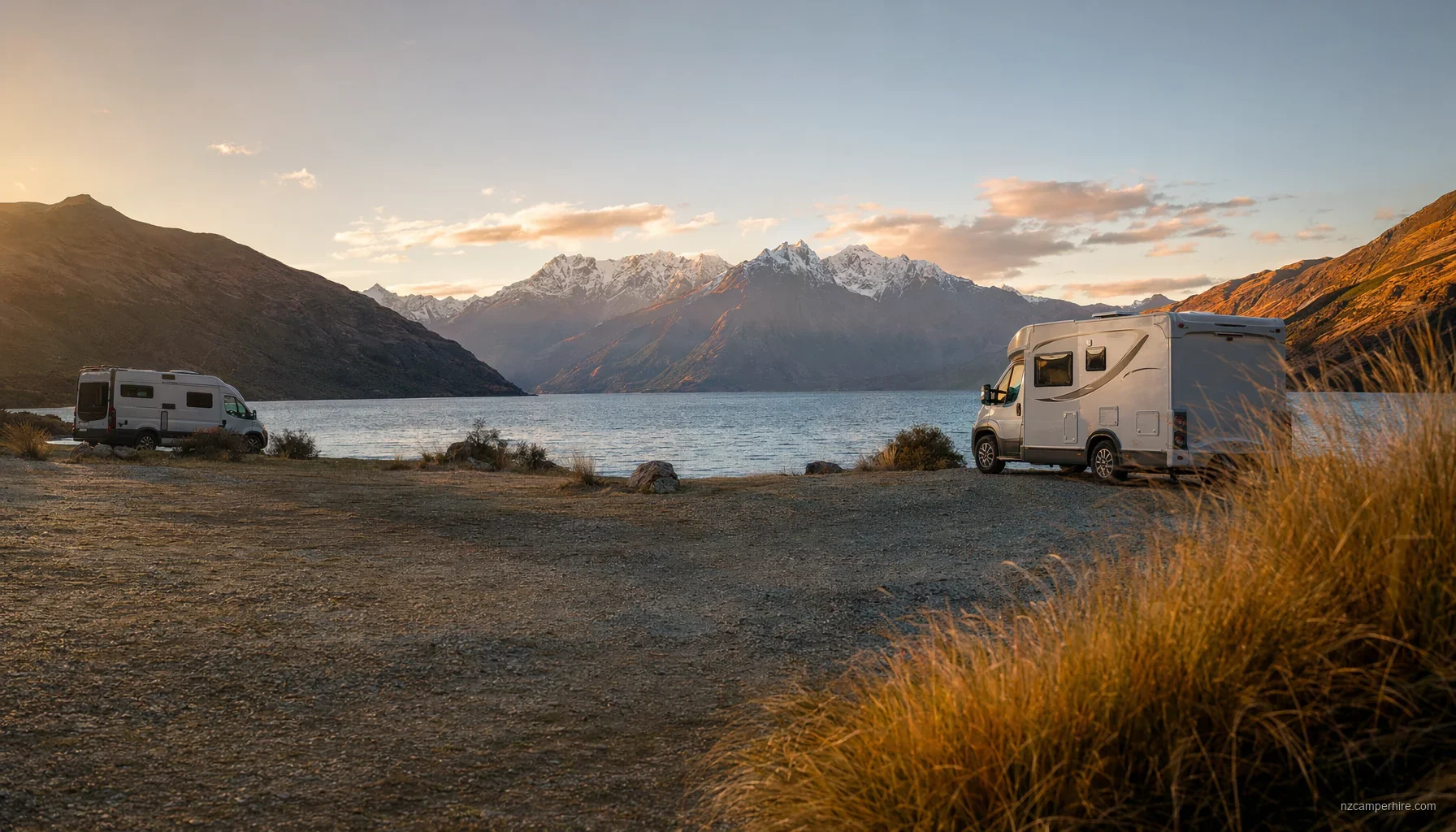 WHEN TO GO
 Summer (December-February)
Peak season — what to book early, where to escape the crowds, sunscreen reality.
Read the timing notes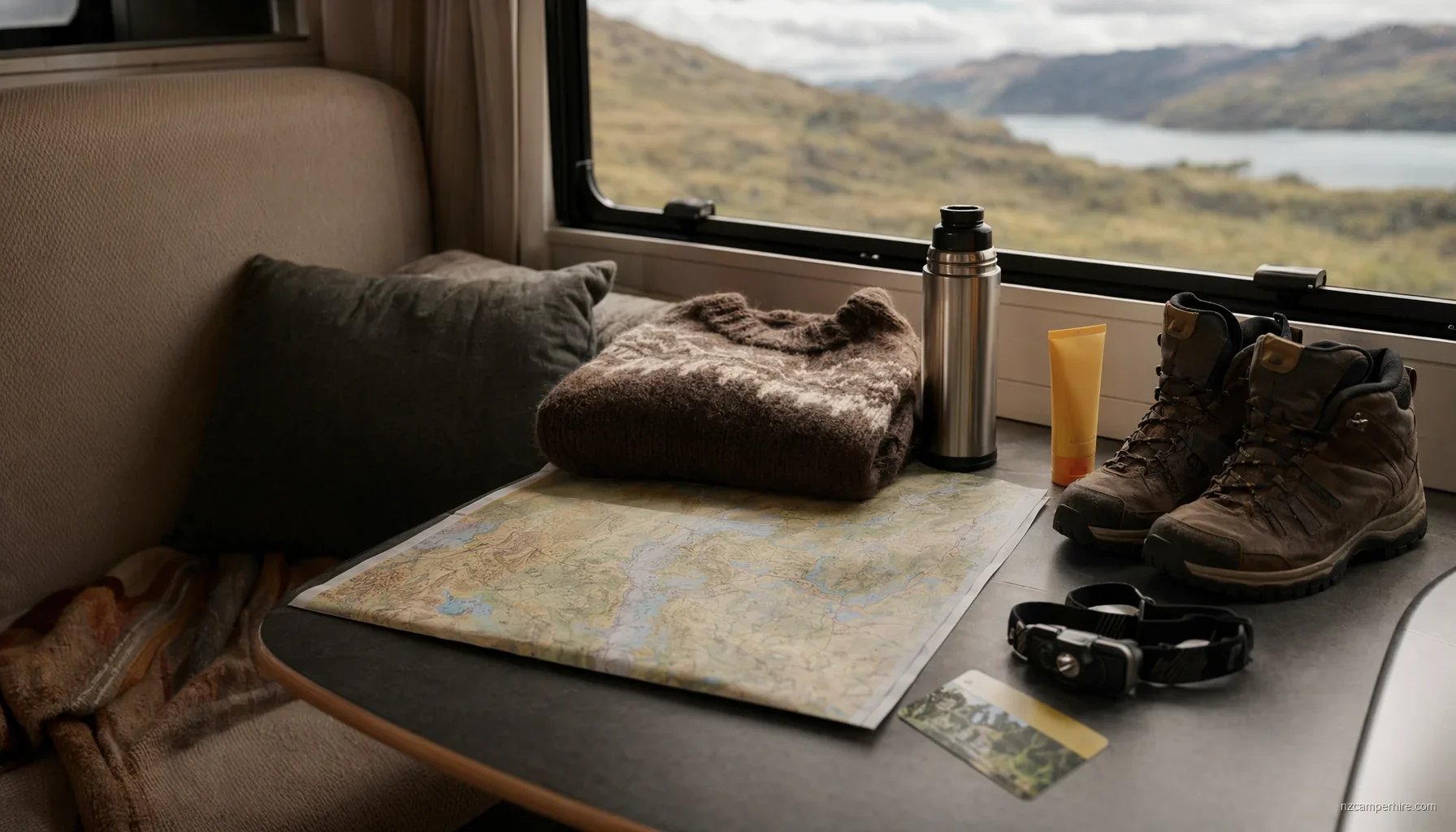 PRACTICAL GUIDE
 What to pack for a NZ campervan trip
What the rental operator typically provides, what you should bring from home, and what's easier to buy on arrival.
Read the guideTongariro National Park FAQ
How many nights should I plan for Tongariro National Park?
What is the best month to visit Tongariro in a campervan?
Where should I buy groceries before staying in Tongariro?
Where can I dump wastewater and refill fresh water near Tongariro?
Have a planner shape a trip around this region
Tell us roughly when you're coming and how long you have. We'll come back with a route that gives this region the time it deserves.